







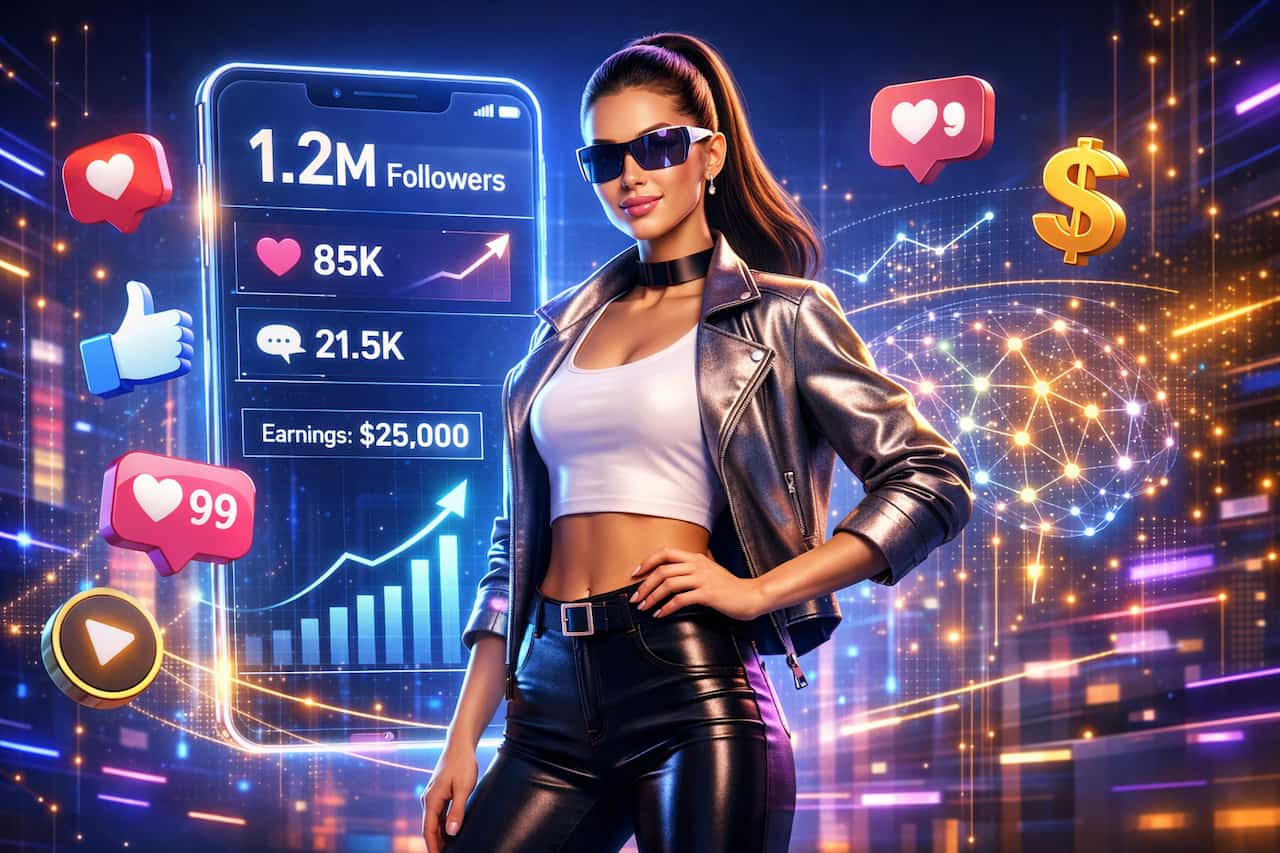
Artificial intelligence is rapidly transforming the creator economy. One of the most fascinating developments is the rise of AI influencers—digital personalities powered by AI that create content, interact with followers, and promote products just like human creators. Major brands have already partnered with virtual influencers such as Lil Miquela, who has collaborated with companies like Prada and Calvin Klein and attracted millions of followers online.
The industry is expanding quickly. The virtual influencer market is projected to grow from about $6 billion in 2024 to nearly $46 billion by 2030, reflecting massive interest from brands and marketers.
For entrepreneurs and creators, this opens a huge opportunity: build AI influencers as digital assets that generate income around the clock.
The 7 Most Profitable AI Influencer Niches
1. Fitness & Wellness

Fitness is one of the most lucrative influencer categories. Health brands constantly need creators to promote:
- supplements
- workout programs
- fitness apps
- activewear
- nutrition products
AI fitness influencers work well because they can maintain perfect branding, consistency, and visual appeal in every post.
2. Fashion & Beauty
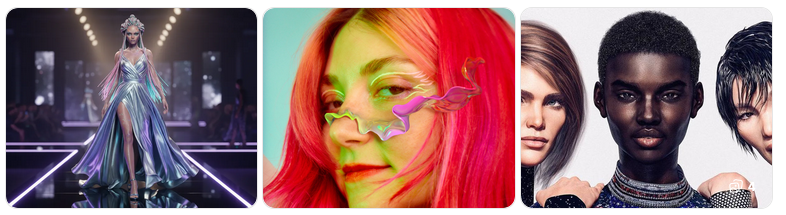
Fashion brands were among the first to adopt virtual influencers. Digital models like Shudu and Lil Miquela collaborate with global fashion houses and appear in major campaigns.
This niche is powerful because it combines:
- visual storytelling
- product promotion
- aspirational lifestyle marketing
3. Tech & AI Education

Technology-focused influencers attract entrepreneurs, developers, and professionals.
Common content topics include:
- AI tools
- automation workflows
- coding tutorials
- productivity systems
Because the audience is often professionals, this niche tends to attract high-value sponsorships and software affiliates.
4. Finance & Investing

Finance influencers generate revenue by promoting:
- investing apps
- trading platforms
- financial education courses
- fintech tools
This niche is lucrative because financial products often offer high affiliate commissions.
5. Gaming & Streaming
Gaming influencers attract huge audiences, particularly younger demographics.
Revenue opportunities include:
- gaming sponsorships
- affiliate links for equipment
- streaming donations
- fan memberships
6. Luxury Lifestyle

Luxury brands increasingly experiment with virtual ambassadors because AI influencers offer full creative control and can appear in any setting.
Typical brand categories include:
- watches
- luxury fashion
- travel
- cars
- premium services
7. Entertainment & Pop Culture

Entertainment-focused influencers grow quickly because they produce:
- viral videos
- humor content
- storytelling
- music or digital art
This niche thrives on high engagement and shareability.
How AI Influencers Make Money
AI influencers earn income using the same methods as human creators.
1. Brand Sponsorships
Brands pay influencers to promote products. Some virtual influencers earn thousands of dollars per sponsored post.
Companies are increasingly interested in AI creators because they are:
- reliable
- scalable
- brand-safe
2. Affiliate Marketing
Influencers can earn commissions by promoting products through special links or discount codes.
For example:
- software tools
- digital products
- e-commerce brands
This creates passive income from content.
3. Subscriptions & Fan Communities
Many influencers monetize through:
- paid communities
- exclusive content
- membership platforms
Fans pay monthly for access to premium content or interaction.
4. Digital Products
AI influencers can promote their own products:
- courses
- ebooks
- merchandise
- digital art
Because the character is fictional, it can become a brand in its own right.
The Formula for Designing Viral AI Influencers
Creating a successful AI influencer requires more than good visuals. The most successful ones follow a simple formula.
1. A Distinct Identity
Every successful influencer has:
- a recognizable look
- a clear niche
- a consistent personality
2. A Strong Backstory
People connect with stories.
Successful AI influencers often have:
- a fictional biography
- personality traits
- values and goals
3. Consistent Content Style
Consistency helps build trust and recognition.
For example:
- same aesthetic
- same tone
- recurring themes
4. Platform Optimization
Different platforms reward different content styles.
Examples:
- TikTok → short viral videos
- Instagram → aesthetic visuals
- YouTube → storytelling
5. Content at Scale
AI influencers can post frequently without burnout.
More content = more opportunities to go viral.
The Psychology Behind Influencers That Grow Fast
Understanding human psychology is key to building successful influencers.
1. Aspirational Identity
People follow influencers who represent the lifestyle they want.
Examples:
- fitness transformations
- luxury travel
- financial success
2. Relatability
Even aspirational influencers need relatability.
Audiences connect with:
- personal stories
- struggles
- humor
3. Consistency Builds Trust
Consistent messaging and posting schedule create familiarity.
Over time, audiences feel like they know the influencer.
4. Community and Belonging
Successful influencers create a sense of belonging among followers.
They often:
- respond to comments
- ask questions
- encourage discussion
5. Novelty and Curiosity
AI influencers naturally trigger curiosity because they are new and futuristic, which helps them attract attention and media coverage.
Why AI Influencers Are Such Powerful Digital Assets
An AI influencer is not just a social media account—it is a brandable digital character.
Once established, it can:
- create content indefinitely
- promote products
- build communities
- generate multiple income streams
Many creators now view AI influencers as long-term digital assets rather than temporary content projects.
Final Thoughts
AI influencers are reshaping the creator economy.
They combine:
- storytelling
- marketing
- technology
- digital entrepreneurship
With the virtual influencer market growing rapidly and brands increasingly investing in digital personalities, the opportunity for creators has never been bigger.
The key is not just building an avatar—it’s building a character that resonates with an audience and delivers consistent value.
Those who master this approach can turn AI influencers into powerful income-generating brands.