
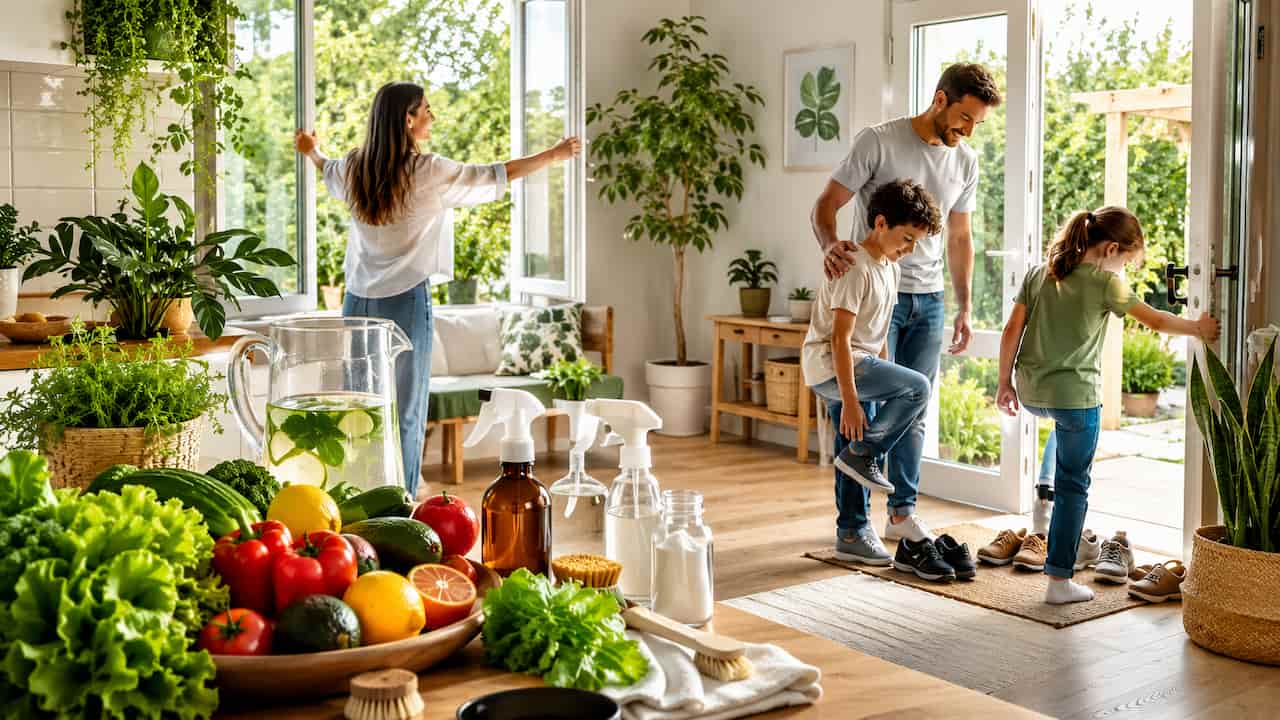
Modern life has brought incredible convenience—but it has also increased our exposure to substances that our ancestors rarely encountered. Every day we come into contact with air pollution, vehicle exhaust, household cleaning products, plastics, pesticides, heavy metals, tobacco smoke, and countless industrial chemicals.
The reality is that it is impossible to avoid every environmental toxin. They are present in the air we breathe, the food we eat, the water we drink, and many of the products we use every day. However, that doesn’t mean we are powerless.
The goal isn’t to eliminate every possible toxin—that isn’t realistic. Instead, it’s to reduce unnecessary exposure wherever practical while supporting your body’s natural detoxification systems through healthy lifestyle habits.
Your liver, kidneys, lungs, digestive system, and skin work around the clock to process and remove waste products. A healthy lifestyle helps these systems function efficiently, while reducing exposure can lessen the burden placed upon them.
Fortunately, many of the most effective changes are simple, affordable, and easy to implement.
Here are ten practical ways to reduce your everyday exposure to environmental toxins.
1. Choose Whole, Minimally Processed Foods
Your diet is one of the biggest factors affecting your overall health.
Highly processed foods may contain additives, preservatives, artificial colors, excess sugar, unhealthy fats, and large amounts of sodium. While approved food additives are regulated for safety, eating more whole foods generally improves diet quality and reduces reliance on heavily processed products.
Build your meals around:
- Fresh vegetables
- Fruits
- Whole grains
- Beans and legumes
- Nuts and seeds
- Lean proteins
- Healthy fats such as olive oil and avocados
Eating a wide variety of nutrient-rich foods also provides antioxidants, vitamins, minerals, and fiber that support normal body functions.
2. Wash Fruits and Vegetables Thoroughly
Fresh produce is one of the healthiest things you can eat, but it can sometimes carry dirt, bacteria, or traces of pesticide residues.
Before eating or cooking produce:
- Rinse under running water.
- Gently scrub firm produce with a clean brush.
- Remove damaged outer leaves.
- Dry with a clean towel.
Peeling certain fruits and vegetables may reduce surface residues, although keeping edible skins also preserves valuable fiber and nutrients.
3. Improve Your Indoor Air Quality
Many people spend most of their day indoors, where pollutants can accumulate.
Improve indoor air by:
- Opening windows regularly when outdoor air quality is good.
- Using extractor fans while cooking.
- Replacing HVAC filters as recommended.
- Vacuuming with a HEPA-filter vacuum.
- Dusting with a damp microfiber cloth.
- Controlling mold and excess moisture.
Houseplants can add beauty to a home, but good ventilation and regular cleaning remain the most effective ways to improve indoor air quality.
4. Drink Clean, Safe Water
Water supports virtually every function in your body.
Depending on where you live, you may wish to use a certified water filter to reduce certain contaminants while following your local water authority’s guidance regarding drinking water quality.
Good hydration supports:
- Digestion
- Kidney function
- Temperature regulation
- Physical performance
- Cognitive function
Choose water instead of sugary drinks whenever possible.
5. Reduce Your Exposure to Household Chemicals
Many household cleaning products contain ingredients that can irritate the skin, eyes, or lungs if not used correctly.
Simple ways to reduce unnecessary exposure include:
- Following label instructions.
- Wearing gloves when appropriate.
- Never mixing cleaning chemicals.
- Ventilating rooms while cleaning.
- Choosing products designed for the task rather than using excessive amounts.
Many people also prefer fragrance-free or lower-odor products, particularly if someone in the household has asthma or sensitivities.
6. Limit Plastic Food Containers for Hot Foods
Some plastics can release small amounts of chemicals when heated.
To reduce unnecessary exposure:
- Avoid microwaving food in containers not labeled microwave-safe.
- Use glass or ceramic containers for reheating when practical.
- Replace damaged plastic containers.
- Avoid pouring boiling liquids into unsuitable plastic bottles.
Small everyday choices can help reduce long-term exposure.
7. Remove Shoes Before Entering Your Home
Shoes collect far more than dirt.
They can track in:
- Soil
- Pesticide residues
- Road pollutants
- Bacteria
- Dust
Creating a “no shoes indoors” habit helps keep floors cleaner and reduces what gets spread throughout your home—particularly if you have young children who play on the floor.
8. Support Your Body’s Natural Detoxification Systems
Contrary to popular marketing claims, your body already has highly effective detoxification organs.
Your:
- Liver
- Kidneys
- Digestive system
- Lungs
- Skin
work continuously to remove waste products.
You can support these natural processes by:
- Eating enough fiber.
- Drinking sufficient water.
- Exercising regularly.
- Getting quality sleep.
- Limiting excessive alcohol.
- Maintaining a healthy body weight.
Healthy habits—not expensive “detox” products—are the most evidence-based way to support your body’s normal functions.
9. Be Careful with Personal Care Products
Most cosmetics and personal care products sold in regulated markets are considered safe when used as directed. However, if you prefer to simplify your routine, you can:
- Buy products from reputable brands.
- Avoid using products past their expiration date.
- Patch-test new products if you have sensitive skin.
- Minimize unnecessary fragrances if they cause irritation.
Choosing products that suit your skin type and using only what you need can also reduce irritation.
10. Don’t Smoke—and Avoid Secondhand Smoke
Few everyday exposures are as harmful as tobacco smoke.
Smoking damages nearly every organ in the body and increases the risk of numerous diseases. Even secondhand smoke can negatively affect health.
If you smoke, quitting is one of the single most important steps you can take to improve your long-term health.
If you don’t smoke, avoid environments where you are regularly exposed to secondhand smoke whenever possible.
Everyday Habits That Help Protect Your Health
Beyond reducing toxin exposure, several healthy habits strengthen your body’s resilience.
Make it a goal to:
- Eat a balanced, nutrient-rich diet.
- Exercise most days of the week.
- Sleep 7–9 hours each night.
- Manage stress effectively.
- Stay hydrated.
- Spend time outdoors.
- Wash your hands regularly.
- Keep your home clean and well-ventilated.
- Maintain a healthy body weight.
- Stay up to date with recommended health screenings.
Together, these habits contribute to better overall health and well-being.
Myths About “Detoxing”
The wellness industry often promotes teas, juices, cleanses, and supplements that promise to “flush toxins” from the body.
In reality, there is limited scientific evidence that these products remove toxins in healthy individuals.
Your liver and kidneys already perform this function continuously.
Rather than relying on expensive detox products, focus on habits that genuinely support health:
- Eating more vegetables and fruit.
- Consuming adequate fiber.
- Staying hydrated.
- Being physically active.
- Sleeping well.
- Limiting alcohol.
- Avoiding tobacco.
These strategies have far stronger scientific support than most commercial detox programs.
Small Changes Make a Big Difference
Protecting yourself from environmental toxins isn’t about living in fear or striving for perfection.
It’s about making informed, practical choices that reduce unnecessary exposure while supporting your body’s natural ability to stay healthy.
Every healthier meal, every glass of water, every smoke-free day, every walk outside, and every effort to keep your home clean and well-ventilated adds up over time.
You don’t have to change everything overnight.
Start with one habit.
Then another.
Then another.
Over months and years, those small improvements can have a meaningful impact on your health, energy, and quality of life.
Final Thoughts
Modern life exposes us to many substances we cannot completely avoid, but we still have tremendous control over our daily habits.
By choosing nutritious foods, improving indoor air quality, using household products safely, staying hydrated, exercising regularly, and supporting your body’s natural detoxification systems, you can reduce unnecessary exposures while building a healthier future.
The objective isn’t to chase perfection or fear every chemical.
It is to make smart, sustainable choices that protect your health for years to come.
Every positive choice you make today is an investment in the healthier, stronger version of yourself tomorrow.
If you’d like, I can also create an SEO title, meta description, Pinterest pin, featured image prompt, and internal linking strategy for this article.