
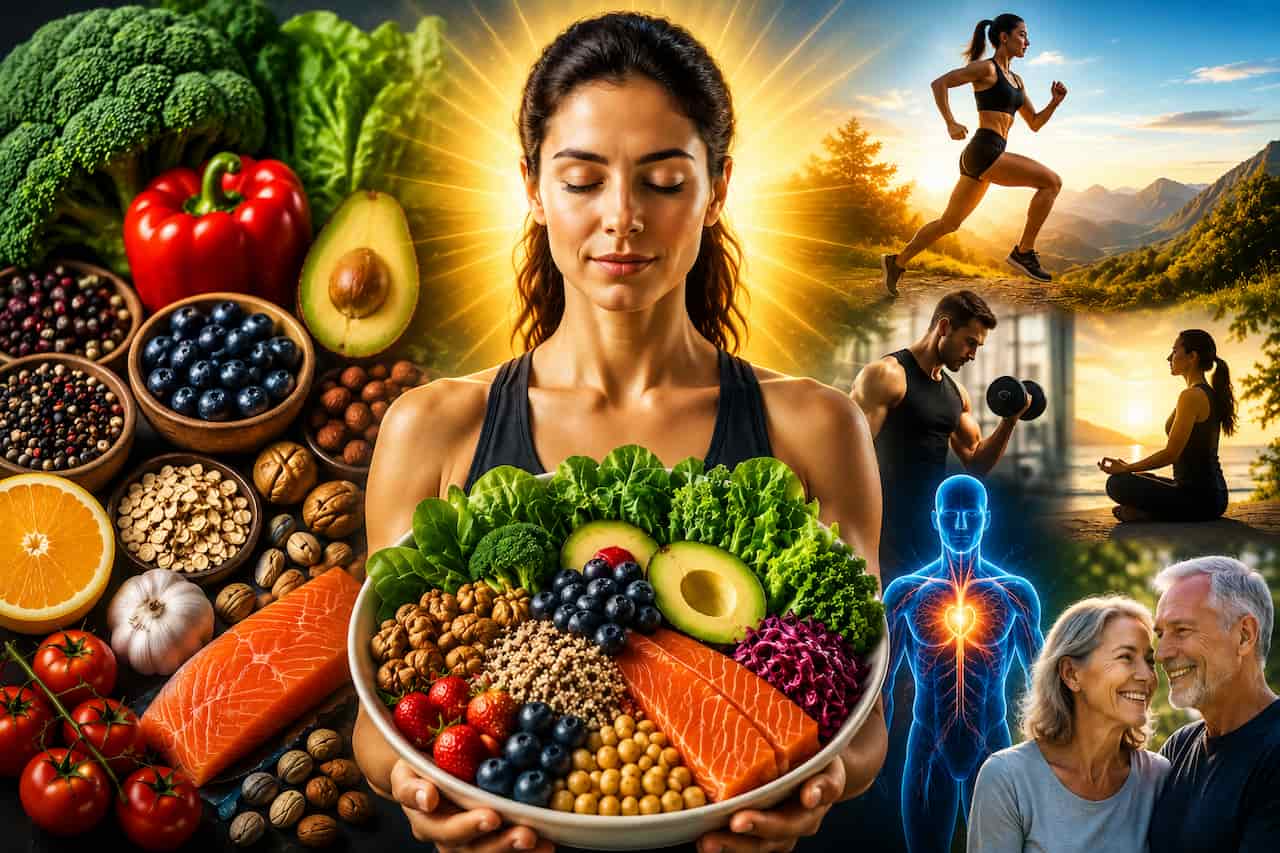
Nutrition is not just about weight loss. It is not just about looking good, counting calories, or following the latest diet trend. Nutrition is the foundation of human health. It influences your energy, mood, immune system, hormones, bones, muscles, brain function, digestion, sleep, productivity, confidence, and long-term disease risk.
In simple terms, the food you eat becomes the body you live in.
Every cell, organ, muscle, hormone, and system in your body depends on nutrients to function properly. When your nutrition is strong, your body has the raw materials it needs to repair, perform, think, move, heal, and age well. When your nutrition is poor, every area of life can eventually suffer.
That is why nothing is more important than nutrition.
Why Nutrition Is the Foundation of Health
Your body is constantly rebuilding itself. Skin cells renew. Muscles repair. Bones remodel. Blood cells regenerate. Your brain produces chemical messengers. Your immune system fights threats. Your digestive system processes fuel. All of this requires nutrients.
A healthy diet provides the vitamins, minerals, protein, fibre, healthy fats, antioxidants, and energy your body needs to function. The World Health Organization explains that a healthy diet helps protect against malnutrition and noncommunicable diseases, while modern diets have shifted toward more highly processed foods high in unhealthy fats, free sugars, and salt. (World Health Organization)
Poor nutrition does not only affect the future. It affects how you feel today. It can influence your energy, concentration, cravings, mood, digestion, skin, sleep, exercise performance, and ability to handle stress.
Nutrition and Energy: Food Is Your Daily Fuel
If you feel tired all the time, nutrition should be one of the first places you look.
Your body needs steady fuel. Highly processed foods, sugary snacks, and refined carbohydrates can cause energy spikes followed by crashes. Balanced meals that include protein, fibre-rich carbohydrates, healthy fats, and colourful vegetables help provide steadier energy.
A strong energy-supporting meal might include:
Whole grains or starchy vegetables for slow-release energy.
Lean protein such as fish, eggs, beans, lentils, chicken, tofu, or Greek yoghurt.
Healthy fats from olive oil, nuts, seeds, avocado, or oily fish.
Vegetables or fruit for fibre, vitamins, minerals, and antioxidants.
The NHS Eatwell Guide recommends eating a variety of foods from the main food groups over the day or week to support a healthy, balanced diet. (nhs.uk)
Nutrition and Longevity
If you want to live longer, nutrition matters deeply. If you want those extra years to be active, independent, and full of energy, nutrition matters even more.
Healthy eating is associated with stronger immunity, stronger bones, muscle support, healthier skin, teeth, and eyes, and may help people live longer. The CDC also links healthy eating with lower risk of several chronic diseases. (CDC)
Longevity is not just about avoiding death. It is about extending your healthspan—the number of years you live with strength, mobility, mental clarity, and independence.
Nutrition supports longevity by helping to:
Reduce inflammation.
Protect heart health.
Support healthy blood sugar.
Maintain muscle mass.
Strengthen bones.
Support brain health.
Improve gut health.
Reduce the risk of chronic disease.
Nutrition and Chronic Disease Prevention
Many of the most common health problems are strongly connected to lifestyle, including diet.
The CDC states that healthy eating helps prevent, delay, and manage heart disease, type 2 diabetes, and other chronic diseases. It recommends a balanced dietary pattern with vegetables, fruits, protein, dairy without added sugars, healthy fats, and whole grains, while limiting highly processed foods, added sugars, saturated fats, and sodium. (CDC)
This does not mean nutrition is a magic cure for every disease. Genetics, environment, stress, sleep, activity, age, and medical history all matter. But nutrition is one of the most powerful daily tools you control.
Every meal is a vote for the body you are building.
Nutrition and the Brain
Your brain is an energy-hungry organ. It needs glucose, healthy fats, amino acids, vitamins, minerals, and hydration to function properly.
Good nutrition supports:
Focus.
Memory.
Mood.
Mental clarity.
Stress resilience.
Emotional balance.
Productivity.
A poor diet can leave you feeling foggy, irritable, tired, anxious, or unmotivated. A nutrient-rich diet gives your brain the building blocks it needs to perform.
This is why nutrition is not just physical. It is mental. It affects how you think, feel, decide, and respond to life.
Nutrition and Gut Health
Your gut is more than a digestion system. It plays a major role in immunity, inflammation, nutrient absorption, and even mood regulation.
A healthy gut needs fibre, plant diversity, hydration, and less reliance on heavily processed foods. Foods that support gut health include vegetables, fruits, beans, lentils, oats, whole grains, nuts, seeds, fermented foods, and plenty of water.
Fibre is especially important because it feeds beneficial gut bacteria and supports healthy digestion. Many modern diets are low in fibre because they rely heavily on refined and processed foods.
A simple rule: the more whole plant foods you eat, the more you support your gut.
Nutrition and Strength
You cannot build a strong body on weak nutrition.
Exercise creates the stimulus for change, but nutrition provides the materials for repair and growth. Without enough protein, minerals, vitamins, healthy fats, and energy, your body struggles to recover, build muscle, maintain bones, and perform well.
Protein is especially important for:
Muscle repair.
Muscle growth.
Immune function.
Hormone production.
Healthy ageing.
Appetite control.
Strength training and good nutrition work together. Training tells your body to adapt. Nutrition gives your body what it needs to adapt.
Nutrition and Bones
Bone health is heavily influenced by nutrition, especially as people age.
Calcium, vitamin D, protein, magnesium, vitamin K, and other nutrients all contribute to bone strength. Poor nutrition can increase the risk of weak bones, low muscle mass, falls, and frailty later in life.
For women, this is especially important because bone loss can accelerate after menopause, increasing the risk of osteoporosis. Nutrition, strength training, sunlight exposure, and medical guidance all play important roles in protecting bone health.
Nutrition and Weight Management
Weight management is often presented as simply “eat less and move more,” but the quality of your food matters.
Highly processed foods are often calorie-dense, easy to overeat, low in fibre, and designed to trigger cravings. Whole foods are generally more filling because they contain more fibre, protein, water, and nutrients.
The goal should not be starvation. The goal should be nourishment.
A better approach is to build meals around:
Protein.
Vegetables.
Whole grains or smart carbohydrates.
Healthy fats.
Water.
Fibre-rich foods.
When your meals nourish you properly, it becomes easier to manage hunger, cravings, energy, and body composition.
The Problem with Ultra-Processed Foods
Ultra-processed foods are one of the biggest challenges in modern nutrition.
They are often high in added sugar, salt, refined carbohydrates, unhealthy fats, artificial additives, and low-quality ingredients. They are also often low in fibre and micronutrients.
WHO notes that many people now consume more highly processed foods high in unhealthy fats, free sugars, and salt, while not eating enough fruit, vegetables, and dietary fibre. (World Health Organization)
This does not mean you can never enjoy a treat. A healthy life should still include flexibility, pleasure, and balance. But if ultra-processed foods dominate your diet, your body will eventually pay the price.
What a Healthy Plate Looks Like
A powerful approach is to build most meals around the “healthy plate” idea.
Harvard’s Healthy Eating Plate encourages meals built around vegetables, fruits, whole grains, healthy protein, healthy oils, water, and regular physical activity. It also recommends limiting refined grains, sugary drinks, and processed meats. (The Nutrition Source)
A simple plate formula:
Half your plate: vegetables and fruit.
One quarter: quality protein.
One quarter: whole grains or starchy vegetables.
Add: healthy fats in moderate amounts.
Drink: water most of the time.
This is simple, flexible, and sustainable.
The Most Important Nutrients Your Body Needs
Protein
Protein supports muscle, tissue repair, immunity, enzymes, hormones, and healthy ageing. Good sources include eggs, fish, poultry, lean meat, Greek yoghurt, cottage cheese, beans, lentils, tofu, tempeh, nuts, and seeds.
Fibre
Fibre supports digestion, gut bacteria, blood sugar balance, cholesterol levels, fullness, and heart health. Good sources include vegetables, fruit, beans, lentils, oats, whole grains, nuts, and seeds.
Healthy Fats
Healthy fats support brain function, hormones, cell membranes, and absorption of fat-soluble vitamins. Good sources include olive oil, avocado, nuts, seeds, and oily fish.
Complex Carbohydrates
Carbohydrates are not the enemy. The quality matters. Whole grains, potatoes, sweet potatoes, oats, fruit, beans, and vegetables provide energy, fibre, and nutrients.
Vitamins and Minerals
Micronutrients are needed for thousands of processes in the body. Iron, magnesium, zinc, potassium, calcium, vitamin D, B vitamins, vitamin C, and many others are essential for energy, immunity, bones, nerves, muscles, and metabolism.
Water
Hydration affects energy, digestion, concentration, temperature regulation, skin, and exercise performance. Even mild dehydration can leave you tired and unfocused.
Why Diets Fail
Most diets fail because they are too extreme, too restrictive, too complicated, or too disconnected from real life.
A good nutrition plan should be:
Sustainable.
Enjoyable.
Flexible.
Nutrient-rich.
Affordable.
Practical.
Built around foods you actually like.
The best diet is not the one you can suffer through for two weeks. It is the one you can live with for years.
The Power of Small Nutrition Habits
You do not need to change everything overnight.
Start with simple habits:
Drink more water.
Eat protein at breakfast.
Add vegetables to lunch and dinner.
Swap sugary drinks for water more often.
Cook more meals at home.
Eat fruit instead of sweets sometimes.
Add beans or lentils to meals.
Choose whole grains more often.
Plan meals before hunger hits.
Keep healthier snacks visible.
Small habits repeated daily become life-changing.
Nutrition and Discipline
Discipline is not about hating food or living in restriction. True nutritional discipline means choosing foods that love your body back.
It means asking:
Will this give me energy or drain me?
Will this support my goals or sabotage them?
Will this help me feel better tomorrow?
Am I eating from hunger, habit, stress, or emotion?
Food should be enjoyable, but it should also be respected. What you eat consistently becomes your health reality.
Nutrition and Self-Respect
One of the most powerful mindset shifts is this:
Healthy eating is not punishment. It is self-respect.
You are not eating well because you hate your body. You are eating well because your body deserves care.
You deserve energy.
You deserve strength.
You deserve clear thinking.
You deserve better sleep.
You deserve a healthy future.
You deserve to age with dignity and vitality.
Nutrition is one of the most practical forms of self-love.
Common Nutrition Mistakes to Avoid
One major mistake is focusing only on calories while ignoring food quality. Calories matter, but nutrients matter too.
Another mistake is skipping meals, getting overly hungry, then overeating later.
A third mistake is fearing all carbohydrates. The goal is not to remove carbs completely but to choose better sources.
Another common mistake is not eating enough protein, especially as people age or start exercising.
Many people also forget hydration, rely too much on takeaway food, drink too many calories, or try extreme diets that cannot last.
The solution is not perfection. The solution is better consistency.
How to Eat Better Without Feeling Overwhelmed
Start with your next meal.
Do not worry about becoming perfect. Ask yourself:
Can I add one vegetable?
Can I include protein?
Can I drink water?
Can I reduce the processed part?
Can I eat more slowly?
Can I stop when satisfied?
Can I choose something that supports my future?
One better meal becomes one better day. One better day becomes one better week. One better week becomes a healthier life.
A Simple Daily Nutrition Blueprint
Breakfast: protein, fibre, and slow-release energy.
Example: eggs with vegetables and wholegrain toast, or Greek yoghurt with berries, oats, and nuts.
Lunch: balanced and filling.
Example: chicken, tofu, beans, or fish with vegetables and brown rice, quinoa, potatoes, or wholegrain bread.
Dinner: nutrient-rich and satisfying.
Example: salmon, lentil curry, turkey, tofu stir-fry, or bean chilli with vegetables.
Snacks: supportive, not destructive.
Example: fruit, nuts, boiled eggs, yoghurt, hummus with vegetables, or cottage cheese.
Drinks: water first.
Limit sugary drinks and excessive alcohol.
Why Nothing Is More Important Than Nutrition
Exercise is important, but nutrition fuels exercise.
Sleep is important, but nutrition affects sleep quality.
Mental health is important, but nutrition affects brain chemistry and energy.
Longevity is important, but nutrition helps shape long-term disease risk.
Confidence is important, but nutrition affects how you feel in your body.
Productivity is important, but nutrition affects focus and stamina.
Everything is connected to what you eat.
Nutrition is not the only pillar of health, but it is the pillar that touches every other pillar.
Final Thoughts
Nutrition is everything because food is not just something you consume. Food becomes part of you.
It becomes your blood, muscles, bones, hormones, skin, energy, and future. It influences how you feel when you wake up, how clearly you think, how well you train, how strongly you age, and how resilient your body becomes.
You do not need a perfect diet. You need a better relationship with food. You need meals that nourish you, habits that support you, and choices that move you toward the life you want.
The goal is not restriction.
The goal is vitality.
Eat to fuel your body. Eat to protect your future. Eat to build strength. Eat to support your mind. Eat to live longer and better.
Because when nutrition improves, everything improves.