







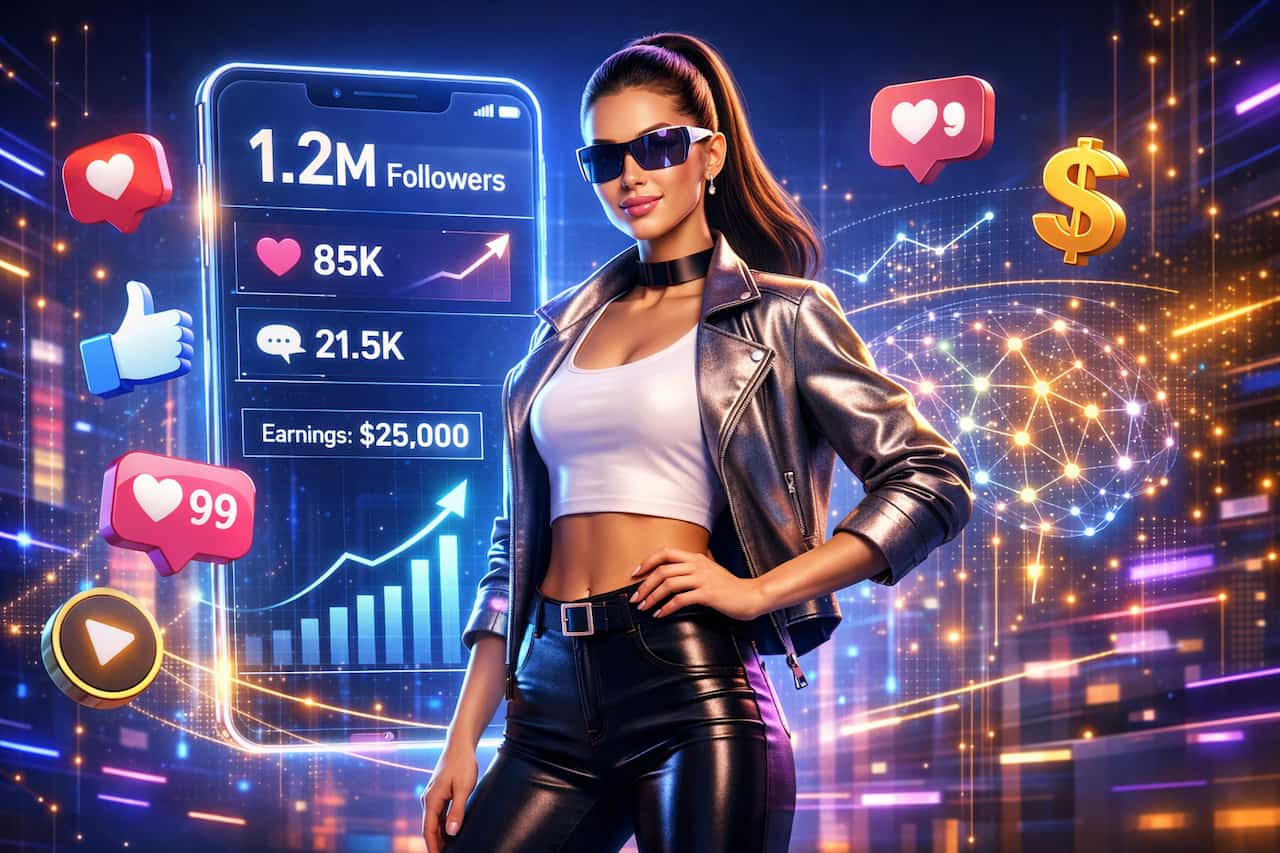
Plus the Viral Content Strategy Behind High-Growth AI Influencers
Artificial intelligence is rapidly transforming the creator economy. One of the most fascinating developments is the rise of AI influencers—digital personalities powered by AI that create content, interact with followers, and promote products just like human creators.
The industry is expanding quickly. The virtual influencer market is projected to grow from about $6 billion in 2024 to nearly $46 billion by 2030, reflecting massive interest from brands and marketers.
These digital personalities can create content around the clock, grow massive audiences, and generate income through sponsorships, affiliate marketing, digital products, and advertising.
Some AI influencers are already generating millions of views and serious brand deals. One of the most striking examples is Nia, an AI influencer who reached nearly 600 million views on just two TikTok videos in less than two months—without filming a single original video.
Her success didn’t happen by accident. She quickly became an official ambassador for a brand valued at over $100 million, proving that AI influencers are no longer just experiments—they’re real marketing assets with enormous commercial value.
For entrepreneurs and creators, this opens a huge opportunity: build AI influencers as digital assets that generate income around the clock. But there is an important lesson behind stories like Nia’s.
Success in this space isn’t just about having a clever idea or posting content regularly—the foundation is a well-designed strategy that guides how it is created, positioned, and developed..
This guide explains the exact step-by-step process to create an AI influencer capable of reaching $10,000 per month, along with the viral content strategy that helps these digital personalities explode in popularity.
Step 1: Choose a Strategic Niche

Before creating your AI influencer, you must decide what the influencer will represent.
The most successful AI influencers are built around clear niches, not random content.
Your niche determines:
- The audience you attract
- The type of content you produce
- The brands you collaborate with
- The products you promote
Examples of high-performing niches include:
Fitness & Wellness
Fitness is one of the most lucrative influencer categories. Health brands constantly need creators to promote:
- supplements
- workout programs
- fitness apps
- activewear
- nutrition products
AI fitness influencers work well because they can maintain perfect branding and consistency
Fashion & Beauty
Fashion brands were among the first to adopt virtual influencers. Digital models like Shudu and Lil Miquela collaborate with global fashion houses and appear in major campaigns.
This niche is powerful because it combines:
- visual storytelling
- product promotion
- aspirational lifestyle marketing
Tech & AI Education
Technology-focused influencers attract entrepreneurs, developers, and professionals.
Common content topics include:
- AI tools
- automation workflows
- coding tutorials
- productivity systems
Because the audience is often professionals, this niche tends to attract high-value sponsorships and software affiliates.
Finance & Investing
Finance influencers generate revenue by promoting:
- investing apps
- trading platforms
- financial education courses
- fintech tools
This niche is lucrative because financial products often offer high affiliate commissions.
Gaming & Streaming
Gaming influencers attract huge audiences, particularly younger demographics.
Revenue opportunities include:
- gaming sponsorships
- affiliate links for equipment
- streaming donations
- fan memberships
Luxury Lifestyle
Luxury brands increasingly experiment with virtual ambassadors because AI influencers offer full creative control and can appear in any setting.
Typical brand categories include:
- watches
- luxury fashion
- travel
- cars
- premium services
Entertainment & Pop Culture
Entertainment-focused influencers grow quickly because they produce:
- viral videos
- humor content
- storytelling
- music or digital art
This niche thrives on high engagement and shareability.
Step 2: Choose the Right AI Influencer Generator (The Most Important Decision)
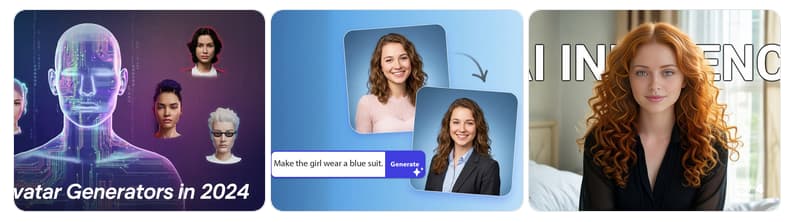
This step is where most people fail.
It doesn’t matter how strong your strategy is if your AI tool cannot produce realistic results.
If viewers sense that the videos look artificial, engagement collapses immediately.
That’s why choosing the right AI influencer generator is critical.
Many beginners try to piece together workflows using multiple general-purpose AI tools. For example:
- One tool for images
- Another for animation
- Another for voice
- Another for video editing
This approach introduces constant inconsistencies.
Every time you move between tools, something breaks:
• Character appearance changes
• Lighting becomes inconsistent
• Facial features shift
• Video quality drops
This is why general-purpose AI tools rarely work well for AI influencers.
When a tool tries to do everything, it often does nothing particularly well.
What you need instead is a purpose-built AI influencer generator where every feature is optimized specifically for creating influencers.
Platforms like Pykaso are designed with this exact goal in mind.
When a tool is laser-focused on AI influencer creation, every component is optimized for:
- character consistency
- realistic motion
- social media video output
- fast content production
Step 3: Prioritize Testing
When creating your AI influencer, the goal should not be to produce dozens of characters, but to focus on developing one highly consistent, well-trained digital personality. The most effective approach is to train the character properly using 20–30 or more high-quality images to build a strong LoRA or character model. This training ensures the influencer maintains the same facial structure, style, and visual identity across every piece of content. Consistency is essential because followers form attachments to recognizable personalities, and even small changes in appearance can break that connection.
For this reason, creators should generally focus on building one primary character that audiences can recognize and grow loyal to over time. That said, many beginners initially experiment with two or three characters to see which one resonates most with viewers. The reality of the space is that for every successful AI influencer, there are thousands of low-effort, poorly trained bots that fail to gain traction. Success usually comes from refining one strong identity rather than flooding platforms with inconsistent, short-lived characters.
Step 4: Create a Unique and Memorable Persona
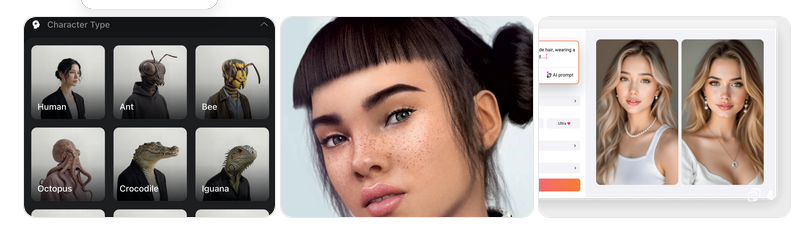
Another overlooked factor behind viral AI influencers is creative freedom.
Nia didn’t achieve hundreds of millions of views because she looked like every other AI influencer.
She succeeded because she was distinctive and specific.
To stand out, your AI influencer must have a strong identity.
Define the following:
Name
A memorable name is not just a cosmetic detail—it becomes the core of the influencer’s brand identity and plays a major role in how audiences perceive, remember, and share the character. In the fast-moving world of social media, where thousands of new accounts appear every day, a strong name can make the difference between being instantly recognizable or completely forgettable.
Here are the key reasons why choosing a memorable name matters.
- A Memorable Name Makes Your Influencer Easier to Remember
Social media platforms are crowded with content. Viewers often scroll through hundreds of videos in minutes. If someone enjoys your AI influencer’s content but cannot remember the name later, they may never find the account again. The easier the name is to remember, the easier it becomes for your influencer to grow. - A Strong Name Creates Instant Brand Identity
An AI influencer is essentially a digital brand.
The name sets the tone for everything that follows, including:
- the personality of the character
- the niche they operate in
- the type of audience they attract
For example, a name that sounds futuristic might work well for an AI or technology niche, while a warm and relatable name might suit a lifestyle or motivational influencer.
- Memorable Names Improve Shareability
One of the main ways social media accounts grow is through word-of-mouth sharing.
People recommend content by saying things like:
- “You should follow this influencer called…”
- “Have you seen that account called…”
If the name is complicated, hard to spell, or difficult to pronounce, people are less likely to share it.
Simple and catchy names spread much more easily across platforms. This makes the influencer more viral-friendly.
- A Good Name Strengthens Brand Recognition
Over time, a memorable name becomes strongly associated with the influencer’s content.
When viewers see the name in their feed, they immediately recognize:
- the personality
- the content style
- the value they expect
Brand recognition is one of the most powerful drivers of long-term audience growth.
- It Makes Monetization Easier
Brands prefer to collaborate with influencers who have clear and recognizable branding.
A memorable name makes your influencer feel more like a professional brand, which increases credibility when approaching:
- sponsors
- advertisers
- affiliate partners
It also makes it easier to create: - websites
- merchandise
- digital products
- community platforms
In other words, a strong name helps turn the influencer from a simple social media account into a scalable digital business.
- A Unique Name Helps You Stand Out
Many AI influencers fail because they blend into the crowd.
If the name sounds generic or similar to other accounts, the influencer will struggle to stand out.
A distinctive name helps create a unique identity, which is critical in a competitive creator economy.
When people encounter a name that feels original, they are far more likely to pause, explore the profile, and follow the account.
Backstory
A well-developed backstory gives your AI influencer depth, personality, and authenticity, making it easier for audiences to connect with the character on a human level. Without a backstory, the influencer risks feeling artificial, generic, and forgettable.
1. A Backstory Makes the Influencer Feel Real
Even though AI influencers are digital creations, audiences still respond best to characters that feel relatable and human.
A backstory helps answer questions such as:
- Where is the influencer from?
- What motivates them?
- What are their goals or passions?
- What experiences shaped their personality?
These details transform the influencer from a simple visual avatar into a believable personality with a story that audiences can follow.
When people feel like they know the character, they are far more likely to engage with the content and follow the account.
2. It Creates Emotional Connection With the Audience
Social media success is driven largely by emotional connection.
People don’t just follow influencers for information—they follow them because they feel:
- inspired
- entertained
- understood
- connected
A backstory provides context that allows audiences to emotionally invest in the influencer’s journey.
For example, if the influencer has a mission, struggle, or purpose that resonates with viewers, followers become more likely to support and champion the character.
3. It Guides the Content Strategy
A backstory acts as a creative compass that guides the type of content the influencer produces.
For example, if the influencer’s backstory includes:
- being passionate about entrepreneurship
- exploring new technologies
- promoting healthy living
then the content naturally revolves around those themes.
This keeps the influencer’s content consistent and focused, which is crucial for building a recognizable brand.
Without a backstory, content often becomes random and disconnected, making it harder to build a loyal audience.
4. It Helps the Influencer Stand Out
The AI influencer space is growing quickly, and many characters begin to look and feel similar.
A unique backstory gives your influencer a distinctive identity.
Instead of simply being another digital avatar posting content, your influencer becomes a character with a narrative.
That narrative can become a powerful part of the brand.
For example, followers might become interested not only in the content but also in the ongoing story of the influencer’s journey.
5. It Makes the Influencer More Memorable
Stories are naturally easier for people to remember than isolated pieces of information.
A compelling backstory helps audiences remember:
- the influencer’s name
- their personality
- their mission
When followers can easily recall the character’s story, they are more likely to revisit the account and recommend it to others.
In other words, storytelling improves brand recall and recognition.
6. It Strengthens Brand Partnerships
Brands increasingly look for influencers whose identity aligns with their message and values.
A clear backstory helps define:
- what the influencer stands for
- the type of audience they attract
- the themes associated with their brand
This makes it easier for companies to determine whether the influencer is a good fit for collaborations.
In many cases, a strong narrative can make an AI influencer more appealing to brands because it provides a clear story they can integrate into marketing campaigns.
Personality
When creating an AI influencer, the visual design and content quality are important, but what truly determines whether audiences connect with the character is its personality.
Personality is what transforms an AI influencer from a simple digital avatar into a recognizable and relatable character. Without a defined personality, the influencer will feel flat and generic, making it difficult to build an engaged audience.
A clear personality shapes how the influencer communicates, interacts with followers, and presents content. It ultimately determines whether people simply watch a video—or choose to follow the character long-term.
Here are the main reasons personality plays such a crucial role.
1. Personality Creates a Human Connection
People naturally connect with personalities, not just information.
Even though an AI influencer is a virtual character, audiences still want to feel like they are interacting with someone who has:
- opinions
- humor
- emotions
- perspectives
When an influencer consistently expresses a specific personality—whether humorous, inspirational, analytical, or adventurous—it becomes easier for viewers to relate to them.
This sense of connection encourages followers to return regularly to see what the character will say or do next.
2. It Makes the Influencer More Memorable
Social media is filled with millions of accounts producing similar types of content.
A strong personality helps an AI influencer stand out in a crowded space.
For example, two influencers might share similar information, but the one with a distinctive personality—such as a witty tone, a confident style, or a playful attitude—will be far more memorable.
Over time, followers begin to recognize not only the content but the personality behind it, which strengthens brand recognition.
3. Personality Shapes the Content Style
An AI influencer’s personality acts as a guide for how content is created and presented.
For example:
- A humorous personality might focus on comedic skits and memes.
- An educational personality might share tips, tutorials, and insights.
- An inspirational personality might focus on motivation and personal development.
This clarity helps keep the influencer’s content consistent and cohesive, which is essential for building a recognizable brand.
Without a defined personality, content can become scattered and inconsistent, making it harder for audiences to understand what the influencer represents.
4. It Builds Audience Loyalty
Followers are far more likely to stay engaged when they feel connected to the influencer’s personality.
Instead of simply consuming content, the audience begins to feel like they are following a character they know and enjoy.
This sense of familiarity encourages:
- repeat engagement
- comments and discussions
- sharing with friends
Audience loyalty is one of the most powerful drivers of long-term social media growth.
5. It Makes Storytelling Possible
A defined personality allows your AI influencer to participate in ongoing narratives and storytelling.
For example, followers may become interested in:
- the influencer’s daily experiences
- their opinions on trends
- their reactions to events
Storytelling adds depth to the content and encourages viewers to follow along over time.
This turns the influencer into an evolving character, rather than just a content generator.
6. Personality Attracts the Right Audience
Different personalities appeal to different types of audiences.
For example:
- A confident entrepreneurial personality might attract business-minded followers.
- A friendly lifestyle personality might attract a broader casual audience.
- A highly analytical personality might appeal to technology enthusiasts.
Defining the influencer’s personality helps attract a specific audience that resonates with that tone and style.
This targeted audience is more likely to engage with the content and support monetization efforts.
Visual Identity
When building an AI influencer, the visual image of the character is one of the most important elements of the entire brand. On social media platforms where users scroll rapidly through content, the first thing people notice is not the caption or the message—it is the visual appearance of the influencer.
A strong and distinctive visual image helps capture attention instantly and plays a major role in whether viewers decide to stop scrolling, watch the content, and ultimately follow the account.
Here are the main reasons why visual image is so important when creating an AI influencer.
1. Visuals Capture Attention Immediately
Social media platforms are highly visual environments. Platforms such as TikTok, Instagram, and YouTube Shorts are designed around fast-moving visual content.
Users often decide within a fraction of a second whether to continue watching a video or scroll past it.
A visually appealing AI influencer can immediately attract attention through:
- distinctive facial features
- stylish clothing
- engaging expressions
- appealing environments
If the visual image stands out in the feed, viewers are far more likely to pause and explore the content.
2. It Creates Instant Brand Recognition
A consistent visual image helps build strong brand recognition over time.
When followers repeatedly see the same character with recognizable features—such as a specific hairstyle, fashion style, color palette, or setting—they begin to instantly associate that image with the influencer.
Eventually, followers may recognize the influencer before even reading the name or caption.
This type of visual recognition is extremely powerful because it strengthens the influencer’s identity and helps build familiarity with the audience.
3. Visual Quality Builds Credibility
One of the biggest challenges with AI influencers is overcoming the perception that the character might look artificial or unrealistic.
High-quality visuals help establish credibility and professionalism.
When the AI influencer looks polished, consistent, and realistic, viewers are more likely to take the character seriously and engage with the content.
On the other hand, poorly generated visuals can immediately reduce trust and make the influencer appear amateurish.
In the competitive social media landscape, visual quality often determines whether an influencer appears professional or forgettable.
4. A Distinct Look Helps the Influencer Stand Out
The number of AI influencers is increasing rapidly. Many of them share similar styles and aesthetics, which makes it harder for new characters to stand out.
Developing a distinctive visual image allows your influencer to establish a unique identity.
This might include:
- a recognizable fashion style
- signature accessories
- distinctive color schemes
- a particular setting or environment
When an influencer has a consistent and recognizable look, viewers are more likely to remember the character and return to the content.
5. Visual Identity Strengthens the Overall Brand
An AI influencer is essentially a digital brand, and visual image is a core part of that brand.
The character’s appearance influences:
- the tone of the content
- the audience attracted to the account
- the types of brand partnerships that may develop
For example, a polished and stylish visual identity may attract fashion brands, while a futuristic or technological appearance might appeal to companies in the AI or tech industries.
A strong visual image therefore helps position the influencer within a specific niche and market.
6. Consistency Builds Trust With the Audience
Consistency is essential when building an audience on social media.
If an AI influencer’s appearance constantly changes—different facial features, inconsistent styling, or varying visual quality—it can make the character feel unreliable or confusing.
Maintaining a consistent visual identity helps create stability and familiarity, which strengthens audience trust.
Over time, followers begin to feel like they know the character, making them more likely to engage with new posts and remain loyal to the account.
Step 5: Ensure Creative Control Over Details
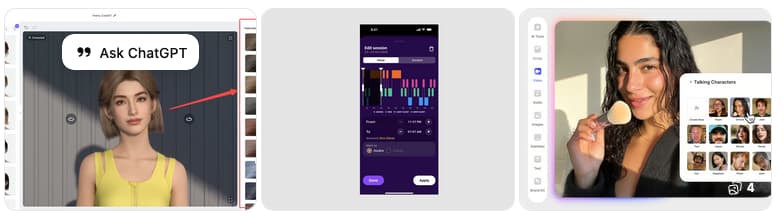
Reative control is what separates average AI influencers from viral ones.
Most basic tools allow you to change only a few attributes.
But to build a truly unique character, you need granular control over details such as:
- facial structure
- clothing
- poses
- lighting
- expressions
- camera angles
This flexibility allows your influencer to develop a distinct visual brand, which increases memorability
Step 6: Use One Tool to Generate the Videos
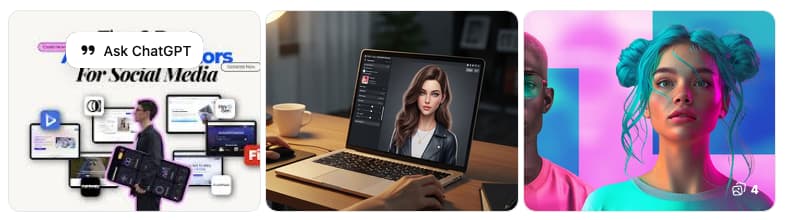
One of the biggest hidden problems in AI influencer creation is tool fragmentation.
Every time you jump between tools, inconsistencies appear.
The character might:
- change facial features
- move unnaturally
- lose visual consistency
The best workflow uses one platform that generates the influencer and the videos together.
This ensures that:
• the character remains identical
• motion looks realistic
• videos are optimized for social media
This is why purpose-built tools like Higgsfield are gaining attention—they combine character generation and video creation in one environment.
The Viral AI Influencer Content Strategy
Creating the influencer is only the beginning.
Growth happens through strategic content creation.
The 5-Type Viral Content Framework

Successful influencers follow a structured content mix.
1. Educational Content
Tips, tutorials, insights.
Goal: build authority
2. Entertainment Content
Memes, storytelling, humor.
Goal: increase shares
3. Controversial Content
Hot takes and unpopular opinions.
Goal: drive comments
4. Personal Content
Opinions, routines, experiences.
Goal: build connection
5. High-Value Content
Frameworks, checklists, tools.
Goal: generate saves
The Psychology Behind Influencers That Grow Fast
Understanding human psychology is key to building successful influencers.
1. Aspirational Identity
People follow influencers who represent the lifestyle they want.
Examples:
- fitness transformations
- luxury travel
- financial success
2. Relatability
Even aspirational influencers need relatability.
Audiences connect with:
- personal stories
- struggles
- humor
3. Consistency Builds Trust
Consistent messaging and posting schedule create familiarity.
Over time, audiences feel like they know the influencer.
4. Community and Belonging
Successful influencers create a sense of belonging among followers.
They often:
- respond to comments
- ask questions
- encourage discussion
5. Novelty and Curiosity
AI influencers naturally trigger curiosity because they are new and futuristic, which helps them attract attention and media coverage.
The $10K/Month Monetization Model
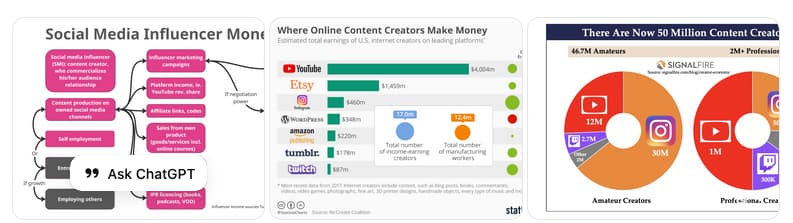
Once your AI influencer grows an audience, monetization becomes straightforward.
The most common income streams include:
Affiliate marketing
Influencers can earn commissions by promoting products through special links or discount codes.
Promote products related to your niche. For example:
- software tools
- digital products
- e-commerce brands
This creates passive income from content.
Potential: $2k–$5k/month
Brand Sponsorships
Brands pay influencers to promote products. Some virtual influencers earn thousands of dollars per sponsored post.
Companies are increasingly interested in AI creators because they are:
- reliable
- scalable
- brand-safe
Potential: $500–$5,000 per post
Digital Products
AI influencers can promote their own products:
- courses
- ebooks
- merchandise
- templates
- digital art
Because the character is fictional, it can become a brand in its own right.
Potential: $3k–$20k/month
Paid Communities
Offer exclusive content.
Examples:
- Discord
- memberships
- premium training
Why AI Influencers Are Such Powerful Digital Assets
An AI influencer is not just a social media account—it is a brandable digital character.
Once established, it can:
- create content indefinitely
- promote products
- build communities
- generate multiple income streams
Many creators now view AI influencers as long-term digital assets rather than temporary content projects.
Final Thoughts
AI influencers are reshaping the creator economy.
They combine:
- storytelling
- marketing
- technology
- digital entrepreneurship
With the virtual influencer market growing rapidly and brands increasingly investing in digital personalities, the opportunity for creators has never been bigger.
The key is not just building an avatar—it’s building a character that resonates with an audience and delivers consistent value.
Those who master this approach can turn AI influencers into powerful income-generating brands.