
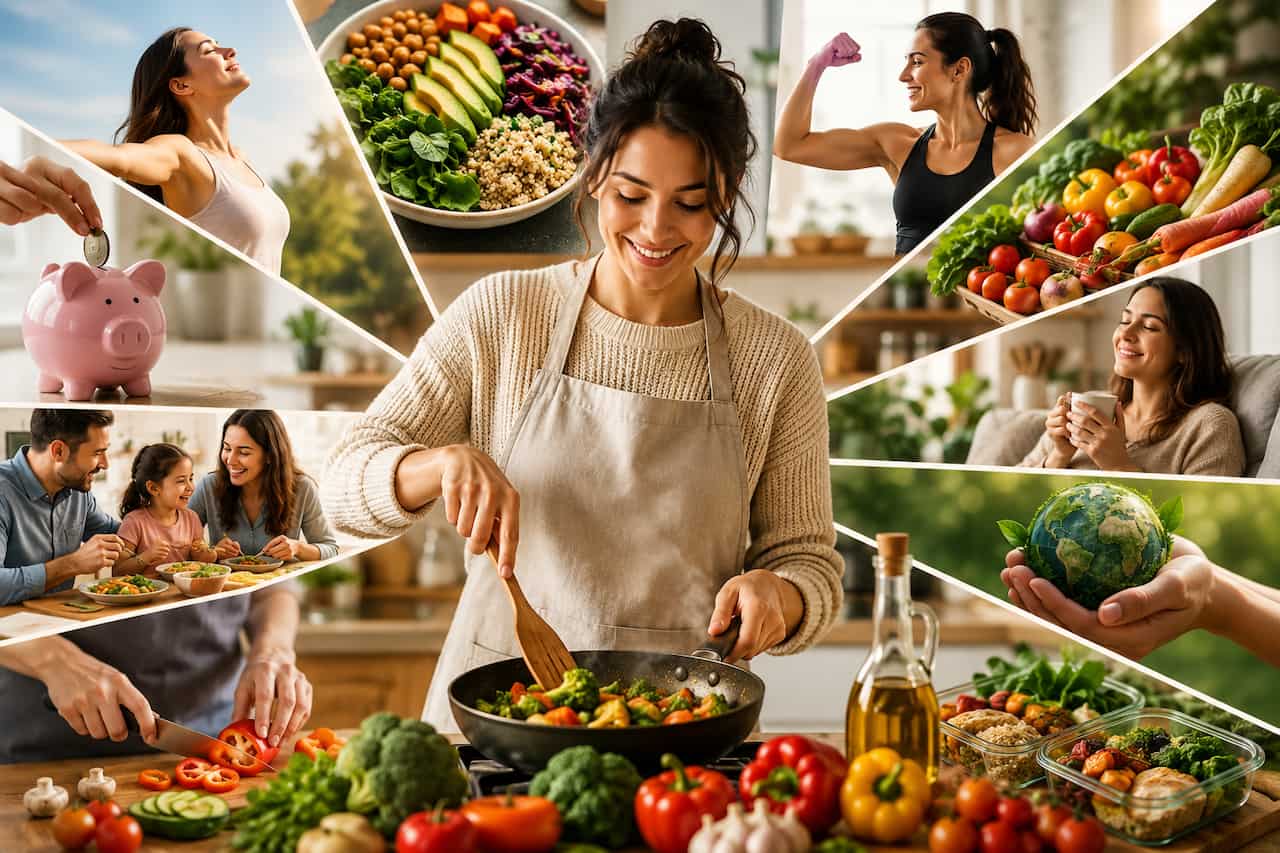
Cooking at home is one of the most powerful investments you can make in your health, finances, confidence, and overall quality of life. While it may seem like a simple daily task, preparing your own meals has the potential to transform the way you eat, feel, and live. Every meal you cook gives you complete control over the ingredients that nourish your body, helping you avoid excessive sugar, unhealthy fats, salt, and highly processed foods while embracing fresh, wholesome ingredients packed with essential nutrients.
The benefits extend far beyond nutrition. Home cooking can help you maintain a healthy weight, improve your energy levels, support your fitness goals, strengthen your immune system, and reduce your risk of many chronic diseases. It can also save you hundreds—or even thousands—of pounds each year, reduce food waste, sharpen your culinary skills, and become a rewarding creative outlet that brings family and friends together around the table.
In this article, you’ll discover 10 life-changing benefits of cooking at home and learn why stepping into the kitchen could be one of the smartest decisions you ever make.
Better Control Over Nutrition
One of the greatest advantages of cooking at home is having complete control over what goes into your food. Every ingredient you choose has the power to influence your health, energy levels, and long-term wellbeing. Unlike many restaurant meals and ready-made foods, home-cooked meals allow you to decide exactly how much salt, sugar, oil, and seasoning is used, while giving you the freedom to fill your plate with fresh, nutrient-rich ingredients.
Many commercially prepared foods contain hidden sugars, excessive sodium, unhealthy fats, emulsifiers, artificial additives, preservatives, and refined carbohydrates while being relatively low in essential nutrients. This can contribute to weight gain and increase the risk of chronic conditions such as Type 2 diabetes, high blood pressure, and heart disease. By preparing your own meals, you can significantly reduce or eliminate these ingredients and replace them with wholesome alternatives that nourish your body instead of simply satisfying your appetite.
Ultimately, every meal you prepare is an opportunity to nourish your body with foods that promote strength, vitality, and long-term health. Cooking at home isn’t just about making dinner—it’s about taking control of your nutrition and investing in a healthier future, one meal at a time.
Better Mental Wellbeing
Cooking at home does far more than nourish your body—it can significantly improve your mental and emotional wellbeing. Preparing a meal encourages you to slow down, focus on the present, and take a break from the demands of daily life. Simple tasks like chopping vegetables, measuring ingredients, and cooking from scratch create a calming, mindful experience that helps reduce stress and promotes a sense of accomplishment.
Nutritious home-cooked meals also provide essential nutrients that support brain function, memory, concentration, and emotional balance. A fibre-rich diet further benefits the gut microbiome, which plays an important role in mood and overall mental health. Ultimately, cooking at home is a simple act of self-care that helps you feel calmer, healthier, more resilient, and better equipped to enjoy life.
Stronger Social Connections
Cooking at home brings people together in ways that few other activities can. Preparing and sharing meals creates opportunities to connect, communicate, and strengthen relationships with family and friends. Cooking together encourages teamwork, laughter, and meaningful conversations, while eating around the table without distractions helps build trust and emotional bonds.
Preparing a meal for someone is also a powerful expression of care, love, and appreciation. Home cooking can preserve treasured family recipes and cultural traditions, allowing them to be passed from one generation to the next. Ultimately, every home-cooked meal is more than just food—it’s an opportunity to create lasting memories and strengthen the relationships that enrich our lives.
Build Discipline
Cooking at home is a powerful way to develop discipline. Planning meals, shopping for ingredients, and preparing food consistently require commitment and self-control. Choosing to cook instead of relying on takeaways or convenience foods reinforces healthy habits and encourages better decision-making.
Over time, this discipline extends beyond the kitchen, making it easier to stay committed to goals such as healthy eating, regular exercise, budgeting, and personal growth. Every meal you prepare is a small act of discipline that contributes to a healthier, more successful lifestyle.
Boosted Confidence
Every meal you successfully prepare builds confidence. As your cooking skills improve, you’ll become more comfortable experimenting with new ingredients, mastering techniques, and creating nutritious meals from scratch. Each success reinforces the belief that you can care for yourself and your family.
This growing confidence often extends beyond the kitchen, encouraging greater independence, creativity, and a willingness to tackle new challenges. Cooking doesn’t just produce delicious meals—it develops self-belief, one recipe at a time.
Reduce Your Intake of Harmful PFAS Chemicals
Cooking at home gives you greater control over not only the ingredients in your meals but also your exposure to potentially harmful chemicals. One growing concern is PFAS (per- and poly-fluoroalkyl substances) , often called “forever chemicals” because they break down extremely slowly and can remain in the environment and the human body for many years.
PFAS have been used in some grease-resistant food packaging, including certain fast-food wrappers, burger boxes, pizza boxes, microwave popcorn bags, and takeaway containers. These chemicals can migrate from the packaging into food, particularly when the food is hot, greasy, or oily. While many manufacturers are reducing or eliminating their use, PFAS can still be present in some food-contact materials and other everyday consumer products.
By preparing meals at home, you significantly reduce your reliance on takeaway and fast-food packaging, lowering one potential source of PFAS exposure. Fresh ingredients purchased from local markets or supermarkets can be prepared and served using glass, ceramic, stainless steel, or cast-iron cookware and reusable food storage containers, reducing the need for disposable packaging altogether.
Although avoiding PFAS completely is difficult because they are widespread in the environment, cooking at home is a practical step that can help minimise unnecessary exposure while providing countless additional health benefits. Every home-cooked meal is another opportunity to make informed choices, reduce your contact with unwanted chemicals, and create a healthier environment for yourself and your family.
Significant Cost Savings
One of the greatest advantages of cooking at home is the substantial money you can save. Restaurant meals, takeaways, and fast food often cost several times more than preparing the same meal yourself, especially once delivery fees, service charges, and tips are added. By cooking at home, you can purchase ingredients in bulk, take advantage of seasonal produce, and prepare multiple meals from a single shopping trip, dramatically reducing your food costs.
Home cooking also helps minimise waste. Leftovers can be enjoyed for lunch the next day, frozen for future meals, or transformed into entirely new dishes, ensuring more of the food you buy is actually eaten rather than thrown away. Planning meals ahead of time further reduces impulse purchases and unnecessary spending.
The savings extend beyond your grocery bill. A healthier home-cooked diet may help reduce long-term healthcare costs by lowering the risk of obesity, type 2 diabetes, heart disease, and other diet-related conditions. Preparing nutritious meals at home is therefore an investment in both your finances and your future health.
Increased Self-Sufficiency
Cooking at home is one of the most valuable life skills you can develop because it increases your self-sufficiency and reduces your dependence on restaurants, takeaways, and highly processed convenience foods. Instead of relying on others to prepare your meals, you gain the knowledge and confidence to nourish yourself and your family with wholesome, delicious food whenever you choose.s whenever you choose.
Learning to cook equips you with practical skills that last a lifetime. You begin to understand how different ingredients work together, how to prepare balanced meals, and how to adapt recipes using what you already have at home.
Greater self-sufficiency also means being less affected by rising restaurant prices, food shortages, or limited takeaway options. With a well-stocked pantry and a few basic cooking skills, you can prepare satisfying meals even when circumstances change. This resilience is especially valuable during busy periods, financial challenges, or unexpected events that make eating out difficult or expensive.
Cooking at home also encourages better planning and organisation. Shopping for fresh ingredients, preparing meals in advance, and learning to use leftovers efficiently help you become more resourceful while reducing food waste. Over time, these habits save money, improve nutrition, and make healthy eating a natural part of everyday life.
Home cooking also helps you save money, reduce food waste, and stay resilient during rising food costs or unexpected challenges. Most importantly, it gives you complete control over the quality of your ingredients, empowering you to live healthier, spend wiser, and care for yourself and your family with confidence.
Develop Valuable Life Skills
Cooking at home is much more than preparing meals—it’s an opportunity to develop practical skills that benefit you for life. Every recipe teaches something new, from knife skills and food safety to meal planning, budgeting, time management, and organisation. As you become more experienced, you’ll learn how to balance flavours, adapt recipes, reduce waste, and make the most of the ingredients you have on hand.
These abilities not only make you a more confident cook but also strengthen problem-solving, creativity, and resourcefulness. Best of all, cooking is a skill that continually grows with practice, empowering you to prepare healthier meals, care for yourself and your family, and become more capable and independent in everyday life.
Improved Digestive Health and a Stronger Gut
Cooking at home gives you complete control over the ingredients that support a healthy digestive system. By preparing meals with fibre-rich vegetables, fruits, legumes, whole grains, nuts, seeds, and fermented foods, you nourish the beneficial bacteria that make up your gut microbiome. A healthy gut promotes efficient digestion, regular bowel movements, improved nutrient absorption, and a stronger immune system.
Home-cooked meals also allow you to limit excessive sugar, unhealthy fats, highly processed ingredients, and artificial additives that can disrupt the balance of gut bacteria. Over time, better digestive health can lead to higher energy levels, reduced bloating, improved mood through the gut-brain connection, and a lower risk of many chronic diseases. A healthier gut truly lays the foundation for a healthier body and mind.