
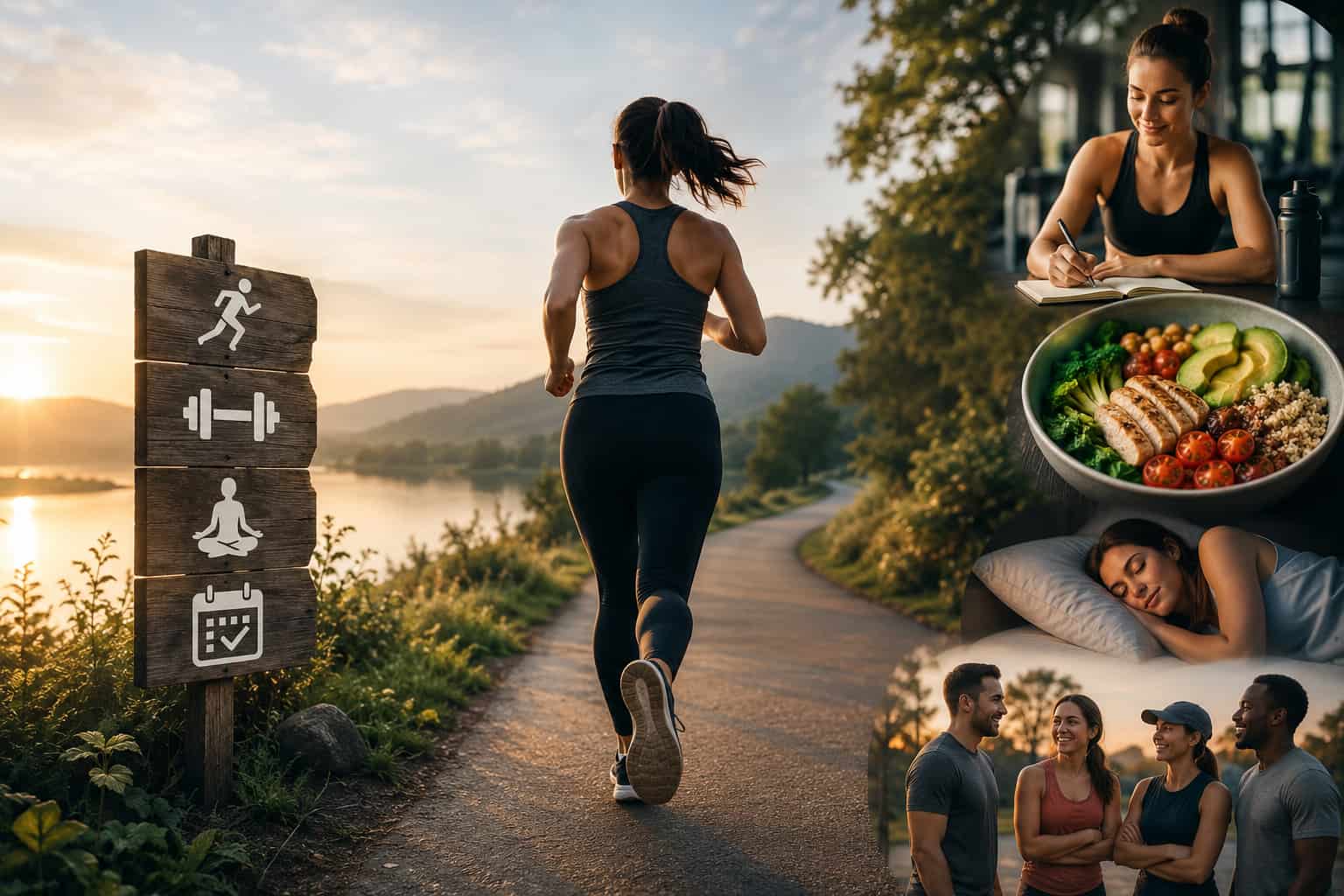
Most people know that exercise is good for them.
They know it can help them lose weight, improve their health, boost their mood, increase their energy, and reduce their risk of chronic disease. Yet despite these well-known benefits, millions of people struggle to exercise consistently. They start with enthusiasm, only to lose motivation weeks later. Gym memberships go unused, workout plans gather dust, and good intentions fade into frustration.
The problem isn’t a lack of knowledge.
The problem is a lack of sustainable habits.
Lasting fitness isn’t built on short bursts of motivation, extreme workout programs, or the pursuit of quick results. It is built on consistency—the simple act of showing up for yourself again and again, even when motivation is low. The healthiest and fittest people are not necessarily those with the most willpower; they are often the ones who have successfully turned exercise into a regular part of their lifestyle.
The good news is that anyone can develop this skill.
Building a sustainable exercise habit is not about becoming a different person. It’s about creating a system that works with your life, your schedule, and your goals. By understanding how habits are formed and applying practical strategies that encourage consistency, you can transform exercise from an occasional effort into a lifelong practice.
In this article, you’ll discover the key principles behind lasting fitness habits, learn how to overcome common obstacles that derail progress, and explore proven strategies that make regular exercise easier, more enjoyable, and more sustainable. Whether you’re just getting started or looking to get back on track, the path to lifelong fitness begins with a single habit—and the decision to keep showing up.
Set Realistic Goals
One of the biggest mistakes people make when starting an exercise routine is trying to do too much, too soon.
Fueled by enthusiasm and the desire for rapid results, many people commit to exercising every day, completing intense workouts, or pursuing ambitious fitness goals that are difficult to sustain. While motivation may be high initially, unrealistic expectations often lead to burnout, frustration, injury, or disappointment when progress doesn’t happen as quickly as expected.
The key to building an exercise habit that lasts is to start small and set realistic goals.
Rather than focusing solely on long-term outcomes such as losing a certain amount of weight or achieving a specific physique, focus on goals that are achievable and within your control. For example, committing to a 20-minute walk three times a week is often more effective than promising yourself an hour-long workout every day.
Small, consistent actions create momentum.
Each time you achieve a goal, you reinforce your confidence and strengthen the habit loop. These early successes build a sense of accomplishment that makes you more likely to continue. Over time, what once felt challenging becomes part of your normal routine.
Before you decide how hard to train, get clear on why you’re training in the first place. Are you aiming to improve overall fitness and health, build muscle and strength, or enhance performance in a specific sport? Each goal demands a different level of intensity, training style, and exercise selection.
A useful approach is to establish goals that are specific, measurable, and attainable. Instead of saying, “I want to get fit,” define what success looks like. For example:
- Walk for 30 minutes three times per week.
- Complete two strength-training sessions each week.
- Attend one fitness class every Saturday.
- Take 8,000 steps per day.
When your purpose is clear, everything else falls into place—your routines become more focused, your effort more intentional, and your results more predictable. Purpose turns random workouts into a strategic plan.
Fuel Your Body for Lifelong Fitness
When people think about building a lifelong exercise habit, they often focus on motivation, discipline, grit, and mental toughness.
While these qualities can certainly help, they are not the foundation of sustainable exercise.
The real foundation is nutrition.
You can possess extraordinary willpower, unwavering determination, and the strongest mindset imaginable, but if your body is not receiving the nutrients it needs, your exercise habit will eventually become difficult to maintain. The human body is like an engine—it requires the right fuel to perform, recover, adapt, and grow stronger. Without that fuel, even the most motivated individual will struggle to sustain consistent physical activity over the long term.
Many people unknowingly sabotage their exercise efforts by eating diets that leave them undernourished, low on energy, and slow to recover. Highly processed foods, overating, excessive sugar, nutrient-poor meals, and inadequate protein intake can contribute to fatigue, poor performance, increased soreness, and reduced motivation to exercise.
When your body lacks the nutrients it needs, exercise feels harder than it should.
Every workout becomes a battle.
Recovery takes longer.
Energy levels decline.
Enthusiasm fades.
Eventually, many people mistake these physical limitations for a lack of discipline when, in reality, their body simply doesn’t have the resources needed to support regular exercise.
A well-balanced diet provides the energy and nutrients your body requires to thrive. Quality proteins help repair and build muscle tissue. Complex carbohydrates provide a steady source of energy for physical activity. Healthy fats support hormone production and overall health. Vitamins, minerals, fiber, and adequate hydration help optimize countless bodily functions that influence exercise performance and recovery.
Poor nutrition is one of the most overlooked secrets to building a lifelong exercise habit. Sustainable fitness is not simply about forcing yourself to exercise through sheer determination. It is about creating the conditions that make exercise feel rewarding, achievable, and sustainable.
Mental toughness can help you get through a difficult workout.
Good nutrition helps you build a lifetime of workouts.
If your goal is to create an exercise habit that lasts for years rather than weeks, make nutrition a priority. Fuel your body well, support your recovery, and give yourself the physical foundation needed to stay active for life.
Find Your Ideal Time to Exercise
One of the easiest ways to make exercise a lasting habit is to schedule it when your energy is naturally at its highest.
Some people feel energized and focused first thing in the morning, while others perform better later in the day. Rather than forcing yourself to exercise at a time that feels like a struggle, pay attention to your body’s natural rhythms. Notice when you feel most alert, motivated, and physically capable, and try to make that your regular workout window.
When exercise aligns with your natural energy patterns, it feels less like a chore and more like a natural part of your day. You’ll likely perform better, enjoy your workouts more, and be far more consistent over the long term.
Remember, there is no universally “best” time to exercise. The best time is the time you can consistently show up with energy, focus, and enthusiasm. Consistency beats perfection every time.
Hydrate
Hydration is one of the most overlooked foundations of effective training. Many people enter the gym under-hydrated, sip occasionally from a small bottle, or even avoid water altogether because they dislike the taste—sometimes diluting it with juice just to make it more palatable. But when it comes to exercise, water is not optional; it is performance fuel.
Even mild dehydration can reduce strength, endurance, focus, and coordination. Your muscles are roughly 75% water, and when fluid levels drop, everything from energy production to nerve signalling becomes less efficient. This is why workouts feel harder than they should and fatigue arrives earlier than expected.
Proper hydration makes exercise noticeably easier. It helps regulate body temperature, keeps joints lubricated, and ensures your muscles contract efficiently. It also plays a major role in recovery—flushing out metabolic waste, reducing post-workout soreness, and speeding up muscle repair. Well-hydrated tissues are more resilient, which lowers the risk of strains, cramps, and injury.
For most people engaging in moderate to intense exercise, a simple target is around one litre of water per 2.5 hours of training. This helps maintain performance and keeps the body functioning optimally under physical stress.
When building a lasting exercise habit, hydration is not a minor detail—it is a performance multiplier. Prioritising clean water before, during, and after training makes every session more productive, safer, and easier to sustain over the long term.
Consult with a Healthcare Professional
Before beginning or significantly changing an exercise routine, prioritizing health and safety is essential. Consulting with a healthcare professional ensures that your training approach aligns with your individual medical needs, especially if you have pre-existing health conditions or are taking prescription medication.
Exercise is powerful, but it also places demands on the cardiovascular system, muscles, joints, and metabolism. Certain conditions—or even common medications—can influence how your body responds to physical stress, recovery, hydration, and intensity. A healthcare professional can help identify safe limits, flag potential risks, and guide you toward the most appropriate types of exercise for your situation.
This is not about limiting your progress; it is about protecting it. A well-informed approach reduces the risk of setbacks, injury, or complications that could interrupt your consistency. In many cases, small adjustments—such as modifying intensity, choosing lower-impact movements, or timing workouts around medication—can make training safer and more effective.
Building a lifelong fitness habit starts with a foundation of responsibility. When you take the time to understand your body through professional guidance, you create a safer path to sustainable, long-term results.
Train with a Certified Personal Fitness Trainer
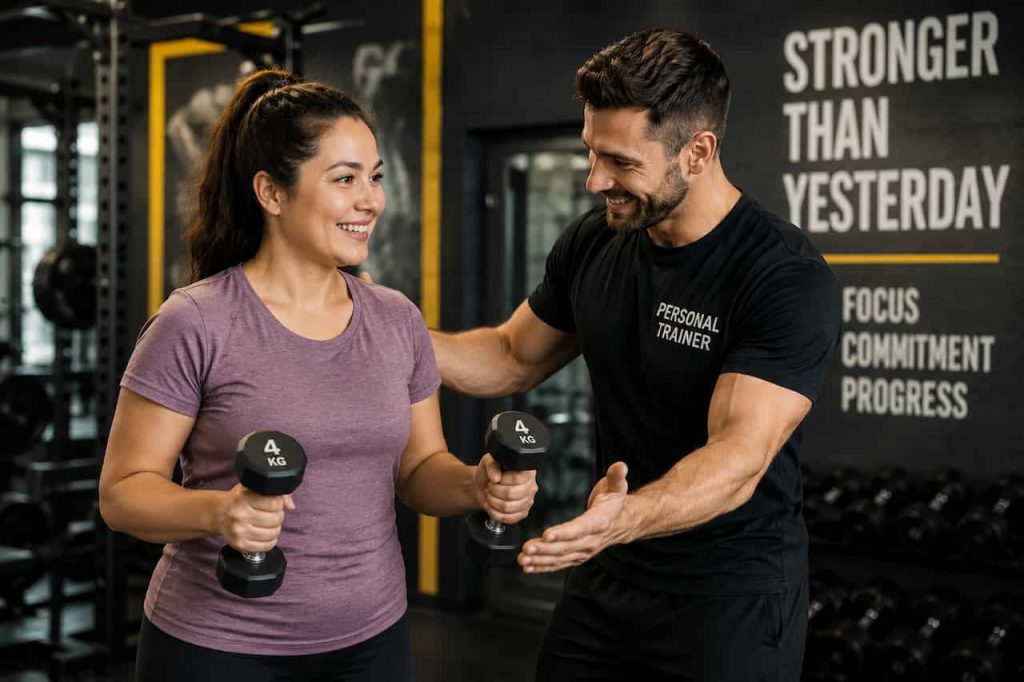
Working with a certified personal fitness trainer is one of the most effective ways to accelerate progress while staying safe and consistent. A qualified trainer brings structure, knowledge, and accountability to your workouts, removing the guesswork that often leads to slow results or injury.
A certified trainer designs programs tailored to your body, goals, fitness level, and limitations. This means every session has purpose—whether you’re building strength, improving endurance, losing fat, or developing overall athletic performance. They also ensure your technique is correct, which not only improves results but significantly reduces the risk of injury.
Beyond programming and form, a great trainer keeps you accountable when motivation fades. They help you push through plateaus, adjust your plan when progress stalls, and keep your training aligned with long-term goals rather than short-term effort.
Ultimately, investing in a certified personal fitness trainer is an investment in efficiency. You get faster progress, fewer setbacks, and a clearer path to results. Instead of spending months or years guessing what works, you benefit from expert guidance that compresses the learning curve and turns effort into measurable transformation.
Focus on Activities You Enjoy
One of the most powerful predictors of long-term fitness success is simple: enjoyment. When you choose activities you genuinely like, exercise stops feeling like a chore and becomes something you naturally return to.
Many people fail to build lasting habits because they force themselves into routines they dread—unsustainable workouts driven by discipline alone. But discipline fades. Enjoyment sustains. When you enjoy the movement, consistency becomes effortless rather than forced.
This doesn’t mean every session has to feel easy, but it should feel meaningful or engaging in some way. Whether it’s lifting weights, running, swimming, dancing, cycling, or functional training, the best exercise is the one you can repeat week after week without needing constant motivation.
Enjoyable activities also improve performance. You train harder, recover better, and stay more mentally engaged, which leads to faster progress over time. Most importantly, you begin to associate fitness with something positive rather than something to endure.
Sustainable fitness is not built on punishment—it is built on preference. When you focus on activities you enjoy, you don’t just build a workout routine; you build a lifestyle you can maintain for years.
Take It Slow
One of the most common mistakes in building an exercise habit is trying to do too much too soon. Rapid intensity often leads to burnout, soreness, or injury—each of which can derail progress before consistency even has a chance to form.
Taking it slow is not a weakness; it is a strategy for longevity. When you start at a manageable pace, your body adapts gradually, your confidence builds steadily, and your routine becomes something you can actually sustain. Fitness is not won in a week—it is built over months and years of repetition.
A slower approach also improves technique. You move with more control, learn proper form, and develop a stronger mind-body connection. This reduces the risk of injury and ensures that every movement is effective, not just effortful.
Most importantly, starting slow helps you stay consistent. Instead of crashing after an intense beginning, you create a rhythm you can maintain, refine, and build upon. Over time, small, consistent steps compound into significant transformation.
In fitness, speed is not the goal—staying in the game is.
Invest in Comfortable Gear
The right gear can make a surprising difference in whether you stick to an exercise habit or slowly drift away from it. Comfortable, well-fitted clothing and proper footwear remove friction from the experience, allowing you to focus fully on your movement rather than distractions like discomfort, chafing, or restriction.
When you feel physically comfortable, exercise becomes easier to approach. You move with more confidence, train with better focus, and are less likely to cut sessions short. Even small details—breathable fabrics, supportive shoes, or moisture-wicking materials—can significantly improve how a workout feels.
Poor or uncomfortable gear, on the other hand, creates unnecessary resistance. It turns something beneficial into something irritating, which can subtly reduce motivation over time.
Investing in quality, comfortable gear is not about appearance—it is about removing barriers. When your body feels supported, your mind is freer to engage with the workout itself, making consistency far more achievable and sustainable.
Warm-Up and Cool Down
A proper warm-up and cool down are not optional extras—they are essential parts of safe, effective training. They prepare your body for performance and help it recover afterward, making your workouts more productive and sustainable over time.
A warm-up gradually increases heart rate, circulation, and muscle temperature. This improves flexibility, enhances coordination, and reduces the risk of strains or injury. By easing your body into movement, you perform better from the very first working set rather than “shocking” your system into activity.
A cool down has the opposite role: it helps your body transition back to a resting state. Light movement and stretching support blood flow, reduce muscle tightness, and help clear metabolic by-products that contribute to soreness. This leads to smoother recovery and less stiffness the next day.
Together, warm-ups and cool downs protect your body, improve performance, and extend your ability to train consistently. They are small time investments that pay off in long-term progress and injury prevention.
Set Short-Term Milestones
When developing a regular exercise routine, setting short-term milestones can be incredibly beneficial. These smaller, achievable goals provide a clear and immediate sense of direction, making the overall journey less daunting and more manageable. By focusing on short-term milestones, you create opportunities for frequent success, which boosts motivation and builds confidence.
Additionally, short-term milestones allow for flexibility and adjustments to your routine, ensuring that your progress remains aligned with your capabilities and lifestyle. This structured approach transforms your exercise routine into a series of attainable steps, fostering a sustainable and rewarding fitness journey.
Celebrate Milestones
Acknowledge your dedication with rewards when you reach milestones. Celebrating milestones is a powerful strategy to stay motivated and committed. Recognizing and rewarding your achievements, no matter how small, creates a positive feedback loop that reinforces your dedication and effort. Celebrating milestones boosts your morale, making the journey more enjoyable and less monotonous. It also provides tangible evidence of your progress, reminding you that your hard work is paying off.
This sense of accomplishment can reignite your enthusiasm, helping you push through plateaus and continue striving toward your long-term goals. Whether it’s treating yourself to a new workout outfit, enjoying a special meal, or taking a well-deserved rest day, celebrating milestones keeps your fitness journey exciting and sustainable, ultimately leading to greater success.
Listen to Your Body
Progress in fitness is not just about pushing harder—it is about knowing when to adjust. Listening to your body means paying attention to the signals it constantly sends: fatigue, soreness, energy levels, and recovery needs.
There is a clear difference between productive discomfort and warning signs. Muscle fatigue after a workout is normal; sharp pain, persistent exhaustion, or declining performance are not. Ignoring these signals often leads to injury, burnout, or setbacks that could have been avoided.
When you learn to listen, you train smarter. Some days you push, other days you recover, and both are part of progress. Rest is not failure—it is adaptation. Your body grows stronger during recovery, not during constant strain.
Sustainable fitness is built on awareness, not ego. The more you respect your body’s feedback, the longer you can stay consistent, healthy, and improving.
Embrace Discomfort as Part of Growth
Real progress in fitness rarely feels comfortable. Growth lives just beyond what feels easy—when your muscles burn, your breathing deepens, and your mind wants to stop but your body is still capable of more.
Learning to embrace this discomfort is what separates short-term effort from long-term transformation. Discomfort during training is often a sign of adaptation, not danger. It is the body being challenged, forced to become stronger, more efficient, and more resilient.
However, embracing discomfort does not mean ignoring pain or pushing into injury. It means recognizing the difference between safe effort and harmful strain, and choosing to stay present when things get difficult rather than immediately stepping away from the challenge.
Each time you move through discomfort with control and intention, you expand your limits. What once felt difficult becomes normal, and what once felt impossible becomes achievable.
Growth is not found in comfort—it is built in the moments you choose to continue when it would be easier to stop.
Conclusion
Building an exercise habit that lasts is not about extreme effort, perfect motivation, or temporary bursts of discipline. It is about creating a system that supports consistency—one that respects your body, fits your lifestyle, and can be sustained over time.
Every principle in this guide points back to the same truth: longevity beats intensity. Hydration, recovery, proper guidance, enjoyable movement, gradual progress, and self-awareness are not separate strategies—they are parts of one foundation. When combined, they remove friction, reduce injury, and make training something you can return to again and again.
Fitness is not a destination you reach and maintain effortlessly. It is a lifelong practice shaped by daily choices. Some days will feel strong, others will feel slow, but consistency is built in how you respond, not in how you feel.
If you take anything forward, let it be this: small, sustainable actions repeated over time will always outperform short-lived intensity. Build the habit, protect it, and let it evolve with you. Over time, it becomes less something you do—and more a part of who you are.