
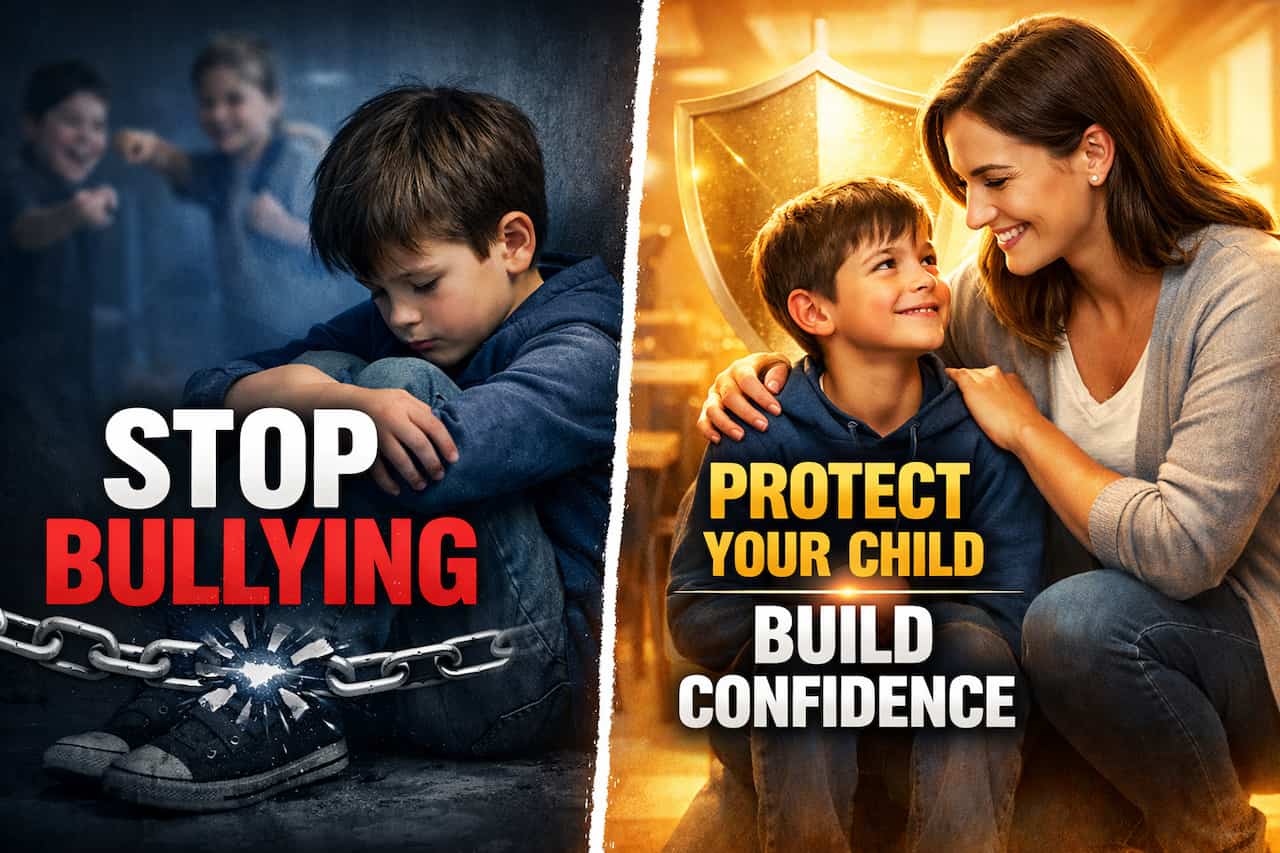
Introduction
Bullying is one of the most painful and complex challenges a child can face. It goes far beyond teasing or harmless conflict—it is repeated, intentional harm, whether physical, verbal, social, or digital, aimed at making a child feel powerless. From playground intimidation to online harassment, bullying can take many forms, and its impact can run deep.
The reality is sobering: bullying is widespread, and despite ongoing efforts in schools and communities, it is unlikely to ever be completely eradicated. As long as there are differences, insecurities, and power imbalances, bullying will continue to exist in some form. Newspapers and media outlets are far too often filled with heartbreaking stories of children who have suffered in silence—some tragically taking their own lives because they felt trapped and alone. This is why addressing bullying is not optional for parents—it is essential.
What matters most is not just that we address it, but how we address it. The right approach can empower a child, strengthen their confidence, and equip them with the tools to navigate adversity. The wrong approach, however, can unintentionally deepen their fear, shame, or isolation.
Children rarely come forward and openly admit they are being bullied. For many, it feels embarrassing. Others fear retaliation or worry about how their parents might react. That’s why awareness is critical. As a parent, one of your most powerful tools is consistent, meaningful communication. Talking to your child every day about their experiences creates a safe space—one where subtle changes in behavior don’t go unnoticed.
Bullying can take several forms, and understanding them helps you better grasp what your child may be going through:
- Physical bullying – hitting, pushing, or any form of physical harm
- Verbal bullying – name-calling, insults, or threats
- Social bullying – exclusion, spreading rumors, damaging relationships
- Cyberbullying – harassment through texts, social media, or online platforms
Because children often stay silent, their behavior becomes the loudest signal. Recognizing the signs early can make all the difference.
Signs That Your Child May Be Being Bullied
Not all children will openly tell you they are being bullied. It can feel overwhelming, confusing, and deeply personal. That’s why it’s important to watch for warning signs such as:
- Avoiding certain places at school, especially unsupervised areas like bathrooms
- Becoming visibly upset after phone calls, texts, or time spent online
- Losing friendships they once valued
- Withdrawing from activities they used to enjoy
- Spending more time alone and isolating themselves
- Engaging in negative self-talk or expressing feelings of worthlessness
Supporting a child through bullying is one of the most difficult challenges a parent can face. You want to raise a strong, independent individual who can handle life’s obstacles—but bullying is not a problem a child should face alone. It requires guidance, strategy, and unwavering support.
Handled correctly, this experience—though painful—can become a powerful turning point. It can teach resilience, self-worth, and courage. And as a parent, your role is not just to protect your child, but to equip them with the strength and confidence to rise above it.
Create a Safe Space: Help Your Child Open Up and Take Immediate Action
Encourage your child to open up, even if their first instinct is to deny what’s happening. Create a calm, safe space where they feel heard—not judged. Sit with them, listen carefully, and gently guide the conversation. Allow them to explain what’s been happening, how long it has been going on, and the ways in which they are being bullied—whether in person or online. Ask about the specific words being used, the individuals involved, and how often it occurs.
Document everything clearly. This not only helps you understand the full picture but also ensures you have accurate details if further action is needed.
Most importantly, take time to understand the emotional impact this is having on your child. How are they feeling? How deeply is it affecting their confidence, behaviour, and wellbeing?
Once your child has opened up, you are no longer on the outside looking in—you are now actively involved. And that means it’s time to take thoughtful, immediate action to protect and support them.
Stay Calm: Your Composure Becomes Their Strength
It’s completely natural to feel emotional when your child is being hurt. Anger, frustration, and even fear can surface instantly. However, how you respond in this moment is critical. Your reaction sets the tone for how your child processes the situation.
Remaining calm doesn’t mean you don’t care—it means you are choosing to respond with strength, clarity, and control. If you react with intense emotion, your child may feel overwhelmed, anxious, or even hesitant to share more. But when you stay composed, you create a sense of safety and reassurance.
Your calm presence shows your child that the situation, while serious, is manageable—and that together, you can face it with confidence and control.
Reassure Your Child: It’s Not Their Fault
Children often internalize bullying and begin to believe they are somehow to blame—especially when it involves multiple bullies or individuals who are seen as popular or influential at school. This can quietly erode their confidence and sense of self-worth.
It’s essential to firmly and consistently remind your child that bullying is never their fault. Make it clear that this behavior is a reflection of the bully’s choices, insecurities, or need for control—not your child’s value or identity.
Help them understand that popularity or numbers do not justify wrongdoing. Just because someone is well-liked or part of a group does not make their actions acceptable. Bullying is wrong—always.
Your reassurance can be incredibly powerful. It helps your child separate who they are from what they are experiencing, protecting their self-esteem and giving them the strength to see the situation clearly.
Don’t Confront the Bully or Their Family
No matter how angry or protective you feel—and those feelings are completely natural—resist the urge to take matters into your own hands. Confronting the bully or their family can quickly escalate the situation, making things more difficult and potentially placing your child in a worse position.
Reacting emotionally may provide temporary release, but it rarely leads to a constructive outcome. Instead, pause, take a breath, and focus on a measured, strategic response.
Your priority is not retaliation—it’s resolution. By staying composed and choosing the right course of action, you model strength and control while ensuring your child is supported in a way that truly helps them navigate and overcome the situation.
Work With the School: You Don’t Have to Handle This Alone
Reach out to your child’s teachers, school counsellors, or administrators and clearly explain what’s happening. Share the details you’ve gathered so they can fully understand the situation and take appropriate action.
Remember, it is the school’s responsibility to provide a safe environment for every student. Most schools take bullying seriously and have policies in place to address it quickly and effectively.
By working collaboratively with the school, you create a stronger support system around your child—one that ensures the issue is not ignored and is dealt with in a structured, accountable way.
Build Strength and Confidence Through Self-Defence and Exercise
Consider enrolling your child in self-defence or fitness classes to help them build both physical strength and inner confidence. This isn’t about encouraging violence—it’s about empowerment. When a child feels stronger in their body, they often feel stronger in their mind.
I experienced this firsthand. In high school, I was bullied by an older student who targeted me whenever he could. During the holidays, I decided to start lifting weights. By the time I returned to school, I had not only become physically stronger—I carried myself differently. I felt more confident.
The next time he approached me, I stood my ground, looked him in the eye, and didn’t back down. To my surprise, he backed off and even offered a handshake. That moment taught me something powerful: bullies often target those they perceive as vulnerable.
Helping your child build strength—physically and mentally—can shift how they see themselves and how others see them. Self-defence and exercise won’t make them aggressive; they will make them more confident, more aware, and better equipped to carry themselves with quiet strength.
Coach Your Child on Healthy Responses
Teach your child constructive ways to handle difficult situations, such as staying calm, speaking assertively, or removing themselves safely from a conflict.
Emphasize that while they can’t control what others say or do, they can control how they respond—turning challenging moments into opportunities to practice self-control, confidence, and resilience.
Discover and Develop Your Child’s Strengths
Help your child reconnect with their confidence by identifying what they naturally excel at. Whether it’s a sport, a creative talent, problem-solving, or a particular subject, recognising and nurturing these strengths can make a profound difference in how they see themselves.
Encourage and support them as they develop these skills. Growth in an area they enjoy not only builds competence, but also reinforces a sense of achievement and self-worth.
This is especially important if bullying has begun to affect their confidence. When a child feels capable and valued in something they are good at, it strengthens their identity and helps restore their inner confidence—reminding them that they are far more than what others may say or do.
Seek the Right Support When Needed
If you feel your child isn’t fully opening up to you, don’t hesitate to bring in additional support. Sometimes children are more comfortable speaking with another trusted adult, especially someone they feel can relate to their experience.
For example, if you’re a single parent of a son, having a positive male role model—such as a relative, mentor, coach, or counsellor—can help create a space where he feels more at ease expressing himself. The key is not about replacing your role, but expanding the circle of support around your child.
Reaching out for help is a sign of strength, not weakness. The more safe, supportive voices your child has in their life, the better equipped they will be to process what they’re going through and build the resilience they need to move forward.
Seek Professional Support When Needed
If your child is showing signs of anxiety, depression, or withdrawal as a result of bullying, it’s important to seek additional support. Speaking with a qualified counsellor or therapist can provide your child with a safe space to process their emotions and begin to heal.
Professional support can equip them with healthy coping strategies, rebuild their confidence, and help them make sense of what they are experiencing. It also reassures your child that they are not alone—and that help is available.
Reaching out for professional guidance is not a last resort; it is a proactive step toward protecting your child’s mental and emotional wellbeing.
Conclusion
Bullying is a painful reality that no child should have to endure alone, yet it remains a challenge that many will face at some point in their lives. As a parent, your role is not to eliminate every difficulty your child encounters, but to equip them with the strength, confidence, and support needed to face those challenges and grow from them.
The way you respond to bullying can shape not only how your child navigates this situation, but how they view themselves and the world around them. Through open communication, emotional support, and the right guidance, you can help transform a difficult experience into a powerful opportunity for growth.
By listening, reassuring, taking action, and surrounding your child with the right support systems, you are teaching them resilience—the ability to stand strong, recover, and rise above adversity. These lessons will stay with them far beyond the classroom.
Your presence, your patience, and your willingness to act can make all the difference. With your support, your child can not only overcome bullying, but also emerge stronger, more confident, and better prepared for life.